
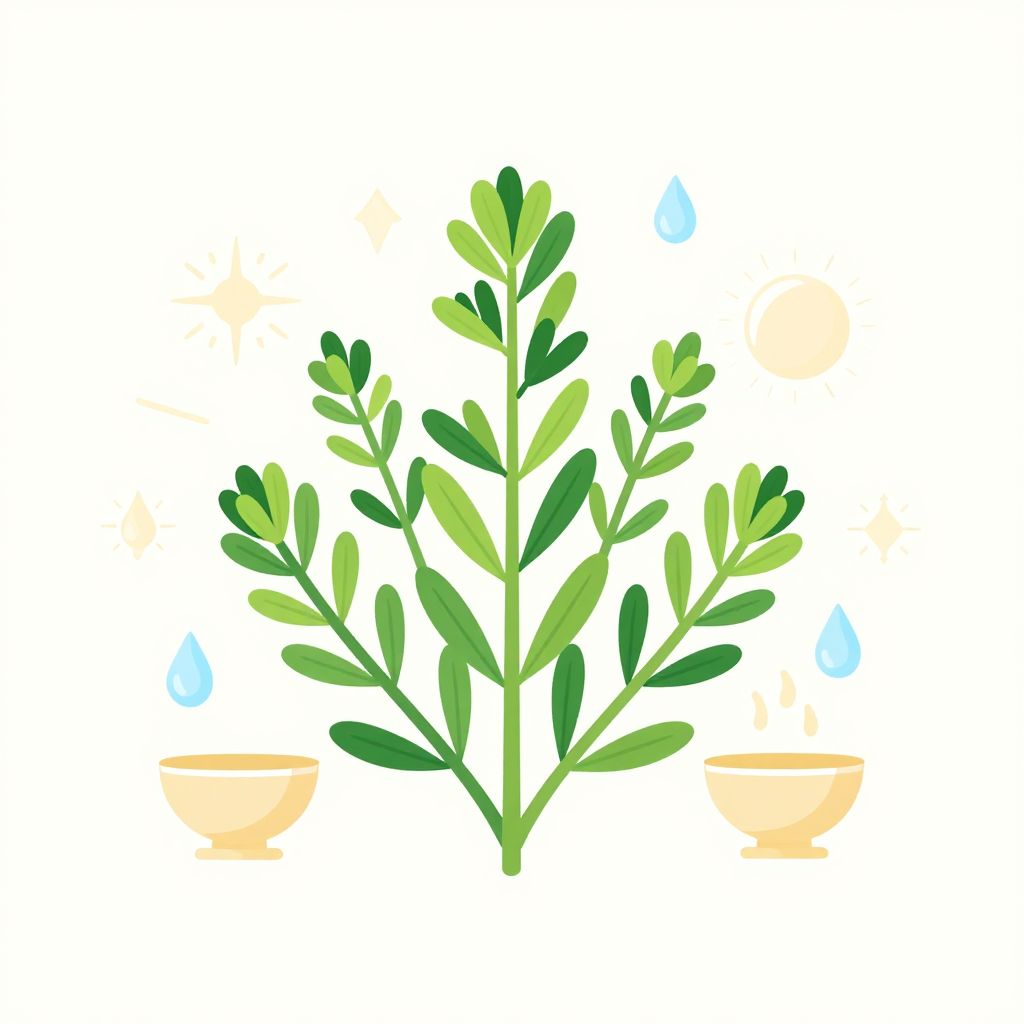
When God commanded the Israelites to use hyssop in their Passover ritual, He chose a plant that would become one of Scripture’s most powerful symbols. This humble herb appears at pivotal moments throughout the Bible, from Egypt’s deliverance to Christ’s crucifixion.
Hyssop represents purification, cleansing, and God’s merciful forgiveness woven throughout biblical history. Understanding its significance reveals deeper truths about how God cleanses us from sin and makes us new.
What Is Hyssop in the Bible?
Hyssop in the Bible is a small, aromatic plant that God designated for sacred ceremonies of purification and cleansing. The Hebrew word “ezov” refers to this herb that grows abundantly in the Middle East and Mediterranean regions.
The Physical Plant
Biblical hyssop likely refers to the Syrian marjoram or a similar mint family plant. This small shrub grows in rocky crevices and produces clusters of white or blue flowers.
Its sturdy stems and absorbent leaves made it perfect for sprinkling liquids in religious ceremonies. God chose this accessible, common plant to accomplish His most sacred work of cleansing.
First Biblical Appearance
Exodus 12:22 records hyssop’s first mention when God instructed the Israelites to use it during Passover. They dipped hyssop branches in lamb’s blood and painted their doorposts for protection from the death angel.
This wasn’t random selection. God specifically chose hyssop to apply the blood that would save His people from judgment.
Hyssop’s Role in Old Testament Purification
Cleansing from Leprosy
Leviticus 14:1-7 details how priests used hyssop in elaborate ceremonies to restore lepers to community life. The ritual involved cedar wood, scarlet yarn, hyssop, and the blood of birds.
This ceremony didn’t cure leprosy medically. It declared someone ceremonially clean after God had already healed them physically.
The Red Heifer Ritual
Numbers 19:6 describes how priests burned hyssop along with a red heifer to create ashes for purification water. This water cleansed people from contact with death.
Again, hyssop appears where God removes defilement and restores wholeness. The pattern emerges clearly throughout Scripture.
David’s Desperate Prayer
Psalm 51:7 contains David’s famous plea: “Cleanse me with hyssop, and I will be clean; wash me, and I will be whiter than snow.” David wrote this after his adultery with Bathsheba and murder of Uriah.
David understood that only God’s cleansing power, symbolized by hyssop, could restore his broken relationship with the Lord. He wasn’t asking for a plant but for the forgiveness that hyssop represented.
Hyssop at the Cross
The final biblical mention of hyssop occurs at history’s most crucial moment. John 19:29 records that soldiers used a hyssop branch to offer Jesus sour wine on the cross.
This detail isn’t incidental. John, writing decades later, remembered this specific plant because it connected Jesus’ sacrifice to every Old Testament cleansing ceremony.
The Ultimate Passover
Just as hyssop applied lamb’s blood to save Israel from death, hyssop now touched the lips of God’s perfect Lamb. Jesus became our Passover sacrifice, and His blood provides permanent protection from spiritual death.
The symbolism runs deeper than coincidence. God orchestrated these details to show that Christ’s death fulfilled every cleansing ritual.
What Hyssop Teaches Us About Cleansing
God Provides the Means
Hyssop grew wild and free throughout Israel. God didn’t require expensive, rare materials for purification ceremonies.
Similarly, God’s forgiveness comes freely to all who seek it through Jesus Christ. You don’t need elaborate rituals or costly sacrifices to receive cleansing from sin.
Application Matters
Possessing hyssop accomplished nothing without using it to apply the cleansing agent. The Israelites had to dip it in blood and paint their doorposts.
Knowing about Jesus’ sacrifice means nothing until you personally apply His blood to your life through faith. Salvation requires active trust, not passive knowledge.
Complete Restoration
Hyssop ceremonies didn’t partially cleanse people. They declared complete restoration to fellowship with God and community.
When God forgives your sin through Christ, He doesn’t leave you partially clean. His cleansing makes you “whiter than snow” with complete righteousness.
Practical Applications for Today
Confess Specifically
David’s prayer in Psalm 51 demonstrates honest, specific confession. He didn’t minimize his sin or make excuses.
When you need God’s cleansing, follow David’s example. Name your sin clearly and ask for the thorough cleansing that only God provides.
Trust God’s Complete Forgiveness
Hyssop ceremonies produced total purification, not gradual improvement. God’s forgiveness through Christ is equally complete and immediate.
Stop carrying guilt for sins that God has already washed away. His cleansing doesn’t need your help or your continued punishment of yourself.
Remember Your Passover
The Israelites commemorated their deliverance annually through Passover. They never forgot how God’s provision saved them from death.
Regular communion serves this same purpose for Christians. Remember often how Christ’s blood provides your permanent protection from spiritual death.
The Deeper Spiritual Truth
Hyssop points to a fundamental spiritual reality: sin separates us from God, but He provides the means for complete restoration. Every hyssop ceremony foreshadowed the perfect cleansing that Jesus would accomplish.
The humble plant reminds us that God’s solutions often come through unexpected means. Who would think that a common herb could symbolize such profound spiritual truths?
From Death to Life
Hyssop appears in contexts involving death, defilement, and separation. Yet it always facilitates movement toward life, purity, and fellowship with God.
This reflects the gospel pattern perfectly. Christ entered our death and defilement to bring us into His life and righteousness.
God’s Attention to Detail
The specific mention of hyssop at Jesus’ crucifixion reveals God’s careful attention to symbolic detail. Nothing in Scripture happens accidentally, especially regarding our salvation.
This should increase your confidence in God’s purposeful work in your own life. He orchestrates circumstances with the same careful attention He gave to redemptive history.
Questions for Reflection
Have you personally applied Christ’s cleansing blood to your life through faith? Knowing about the cross differs completely from trusting in its power for your forgiveness.
Are you living in the freedom of complete cleansing, or do you still carry guilt for forgiven sins? God’s hyssop-like cleansing through Christ makes you entirely clean, not partially forgiven.
Do you regularly remember your spiritual Passover through communion and personal reflection? The Israelites celebrated their deliverance annually because regular remembrance strengthens faith and gratitude.
Hyssop may seem like a minor biblical detail, but it reveals major truths about God’s character and His provision for your cleansing. This small plant carried profound significance because it participated in God’s great work of redemption. Let hyssop remind you that God provides complete cleansing from sin through Jesus Christ, and His forgiveness leaves you whiter than snow.
If you found this exploration meaningful, you might appreciate learning about other biblical symbols and their spiritual significance. Discover more insights in our exploration of what is manna in the bible, or browse additional studies on what does the Bible say about various topics that deepen your understanding of God’s Word.