
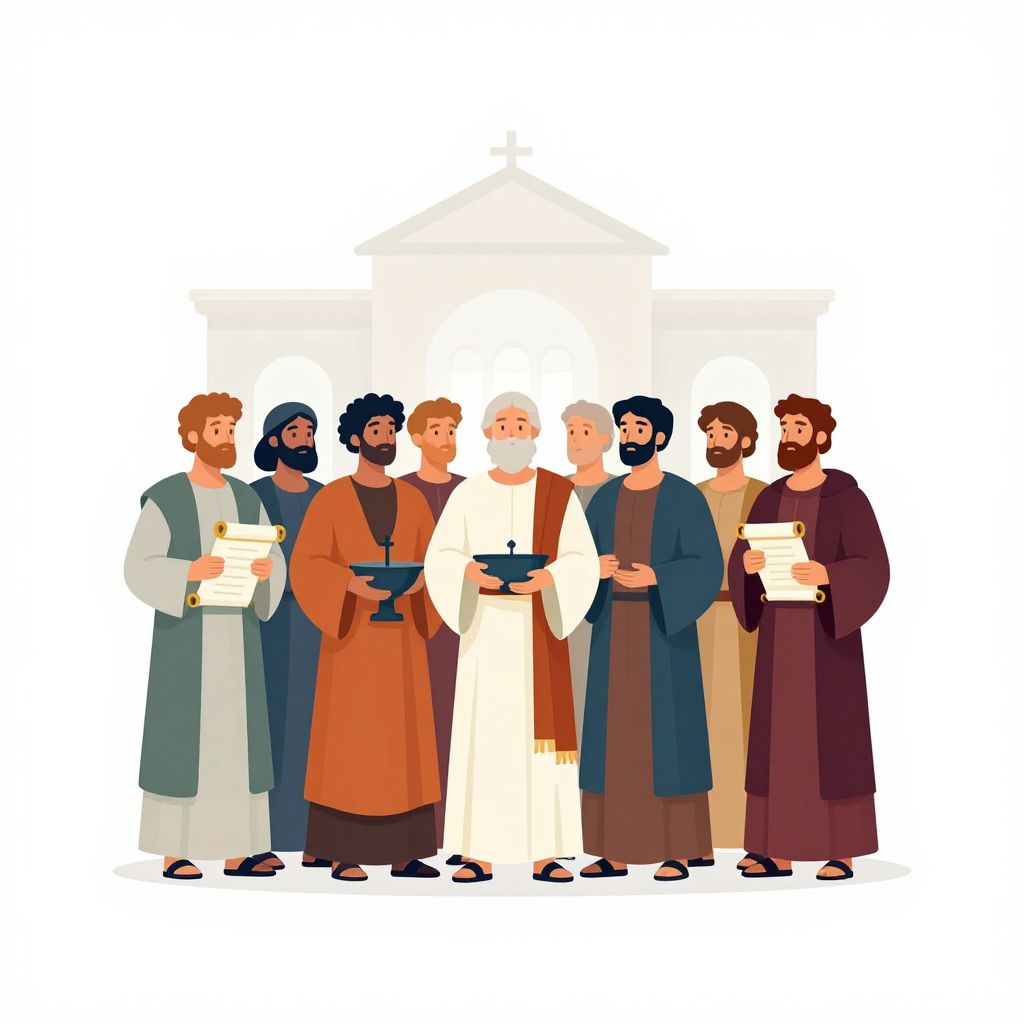
The Pharisees appear throughout the New Testament as religious leaders who often clashed with Jesus, but many Christians today struggle to understand who they really were and why they matter. These weren’t simply “bad guys” in Bible stories—they were complex religious figures whose hearts had grown cold toward God despite their outward devotion.
Understanding the Pharisees helps us recognize similar tendencies in our own spiritual lives and guards us against the pride that can creep into any sincere believer’s heart. Jesus spent more time warning about their errors than almost any other spiritual danger, which means we need to pay attention.
Who Were the Pharisees in the Bible?
The Pharisees were a Jewish religious sect during Jesus’ time who emphasized strict adherence to the law and oral traditions, but often prioritized external compliance over heart transformation. They held significant religious authority and were known for their detailed interpretations of Scripture and additional rules they created.
Their Religious Background and Beliefs
The Pharisees emerged around 150 BC as a response to Greek cultural influence threatening Jewish identity. They believed in resurrection, angels, and divine providence—doctrines that aligned more closely with Jesus’ teaching than those of the Sadducees.
What set them apart was their commitment to both written Scripture and oral traditions passed down through generations. They created an intricate system of rules designed to help people avoid breaking God’s law, but these additions often became more important than the original commands.
Unlike the Sadducees who controlled the temple, Pharisees operated in synagogues and had significant influence over ordinary Jewish people. They saw themselves as guardians of religious purity and national identity.
Their Social and Political Influence
The Pharisees wielded considerable power in Jewish society, serving as teachers, judges, and religious authorities. People looked to them for guidance on everything from business dealings to family relationships.
They sat in Moses’ seat, as Jesus acknowledged in Matthew 23:2, meaning they held legitimate teaching authority. This made their spiritual blindness even more dangerous—they had the platform to lead others astray.
Their influence extended beyond religion into politics and social customs. When they opposed Jesus, they could mobilize public opinion and pressure Roman authorities to act against Him.
What Did the Pharisees Believe and Practice?
Their Approach to Scripture and Tradition
Pharisees treated oral traditions as equal to Scripture itself, creating what they called “the tradition of the elders.” Mark 7:13 records Jesus condemning them for making “the word of God of no effect through your tradition.”
They developed elaborate interpretations for every aspect of life, from how to wash hands properly to what constituted work on the Sabbath. While some guidelines had merit, they often missed the spirit of God’s law while obsessing over the letter.
Their Sabbath rules provide a clear example—they prohibited healing on the Sabbath but allowed rescuing animals from danger. Jesus exposed this inconsistency when He healed on the Sabbath and asked, “Is it lawful to do good or evil on the Sabbath?”
Their Religious Practices and Rituals
Pharisees were known for their meticulous observance of religious duties. They fasted twice a week, gave tithes of everything they acquired, and followed strict purity laws that governed what they ate, touched, and with whom they associated.
Jesus described their public prayers and charitable giving in Matthew 6, noting how they performed religious acts to be seen by men rather than to honor God. They wore distinctive clothing and phylacteries to display their devotion.
Their commitment to these practices was genuine from their perspective—they truly believed they were serving God faithfully. This makes their error more sobering, not less.
Why Did Jesus Oppose the Pharisees So Strongly?
The Heart Issues Jesus Exposed
Jesus opposed the Pharisees because they had replaced heart transformation with external performance, leading people away from true relationship with God. Matthew 23 contains His most direct confrontation with their spiritual pride and hypocrisy.
He called them “whitewashed tombs” in Matthew 23:27—beautiful on the outside but full of death within. Their religious activity masked hearts that were far from God, and they were teaching others to follow the same empty path.
Jesus saw how their system of rules created burdens for people that God never intended. In Matthew 11:28-30, He offered rest to those “weary and burdened”—likely referring to people exhausted by Pharisaical demands.
Their Rejection of Jesus’ Authority
The Pharisees consistently challenged Jesus’ authority to teach, heal, and forgive sins. They demanded signs while ignoring the miracles happening before their eyes and attributed His power to Satan rather than God.
John 11:47-48 reveals their real concern: “If we let him go on like this, everyone will believe in him, and then the Romans will come and take away both our temple and our nation.” They feared losing their position more than they desired truth.
Their rejection wasn’t based on intellectual disagreement but on hardened hearts that refused to acknowledge God’s work. Jesus wept over Jerusalem because their leaders wouldn’t recognize “the time of God’s coming to you” (Luke 19:44).
What Can Modern Christians Learn from the Pharisees?
Recognizing Pharisaical Tendencies in Our Own Hearts
The warning about Pharisaism isn’t primarily about avoiding a specific group of people—it’s about guarding against attitudes that can infect any believer’s heart. Pride, judgmentalism, and external focus can creep into the most sincere Christian’s life.
Do you find yourself measuring spiritual maturity by external behaviors rather than heart transformation? Do you feel superior to Christians who don’t follow the same practices you do?
The Pharisees’ greatest error was thinking their religious activity made them righteous before God. Ephesians 2:8-9 reminds us that salvation comes “by grace through faith…not by works, so that no one can boast.”
Avoiding Legalism While Maintaining Biblical Standards
Learning from the Pharisees doesn’t mean abandoning biblical standards or Christian disciplines. The problem wasn’t that they cared about obeying God—it was that they trusted in their obedience rather than God’s grace.
Jesus said in Matthew 5:20, “Unless your righteousness surpasses that of the Pharisees and the teachers of the law, you will certainly not enter the kingdom of heaven.” He meant righteousness that comes from a transformed heart, not external compliance.
Christian disciplines like prayer, Bible study, and service should flow from love for God, not from a desire to earn His approval or impress others. When these practices become performance rather than relationship, we’re walking the Pharisees’ path.
Maintaining Humility in Spiritual Growth
The more we grow in biblical knowledge and Christian maturity, the greater our temptation becomes to look down on others. First Corinthians 8:1 warns that “knowledge puffs up while love builds up.”
How do you respond when you see other Christians struggling with sins you’ve overcome or failing to follow practices that help you? The Pharisee’s heart says, “Thank God I’m not like them.”
True spiritual maturity produces humility, not pride. It recognizes that every good thing in our lives comes from God’s grace, not our effort or wisdom.
How Should We Apply These Lessons Today?
In Our Personal Spiritual Lives
Regular self-examination helps prevent Pharisaical attitudes from taking root. Ask yourself: Am I more concerned with looking spiritual or being spiritual?
Psalm 139:23-24 provides a helpful prayer: “Search me, God, and know my heart; test me and know my anxious thoughts. See if there is any offensive way in me, and lead me in the way everlasting.” This kind of honest assessment keeps our hearts tender.
Focus on heart transformation rather than external behavior modification. When God changes our hearts, right behavior follows naturally rather than being forced through willpower or social pressure.
In Our Relationships with Other Christians
The Pharisees’ judgmental spirit destroyed relationships and drove people away from God. Christians today must guard against becoming spiritual gatekeepers who determine who’s “really” following Jesus based on external criteria.
Instead of criticizing other believers’ practices, look for ways to encourage their relationship with God. Romans 14 provides clear guidance about not judging fellow Christians over disputable matters.
Remember that God works differently in each person’s life, and spiritual growth takes time. The attitudes and behaviors that concern you in others may be areas where God is already working in their hearts.
In Our Approach to Scripture and Christian Teaching
The Pharisees’ error with tradition warns us about elevating human interpretations to the level of Scripture itself. While biblical teaching and Christian wisdom have great value, they must never replace or contradict God’s Word.
Stay committed to studying Scripture for yourself rather than simply accepting what others teach. Acts 17:11 commends the Bereans for examining “the Scriptures every day to see if what Paul said was true.”
When you teach or influence others, point them to Jesus rather than to rules or systems. The goal is always heart transformation through relationship with God, not behavioral compliance through human pressure.
The Pharisees serve as a sobering reminder that religious activity without heart transformation leads to spiritual death. Their example teaches us to pursue authentic relationship with God rather than impressive religious performance. Jesus offers the grace and transformation that all our efforts cannot produce—may we receive it with humble, grateful hearts rather than proud, self-sufficient ones.
Understanding the Pharisees helps us grow in genuine faith while avoiding the spiritual pitfalls that can trap any sincere believer. For more insights into biblical teachings and Christian living, explore what the Bible says about various topics that matter to your faith. You can also discover biblical perspectives on practical questions that affect daily Christian life.