
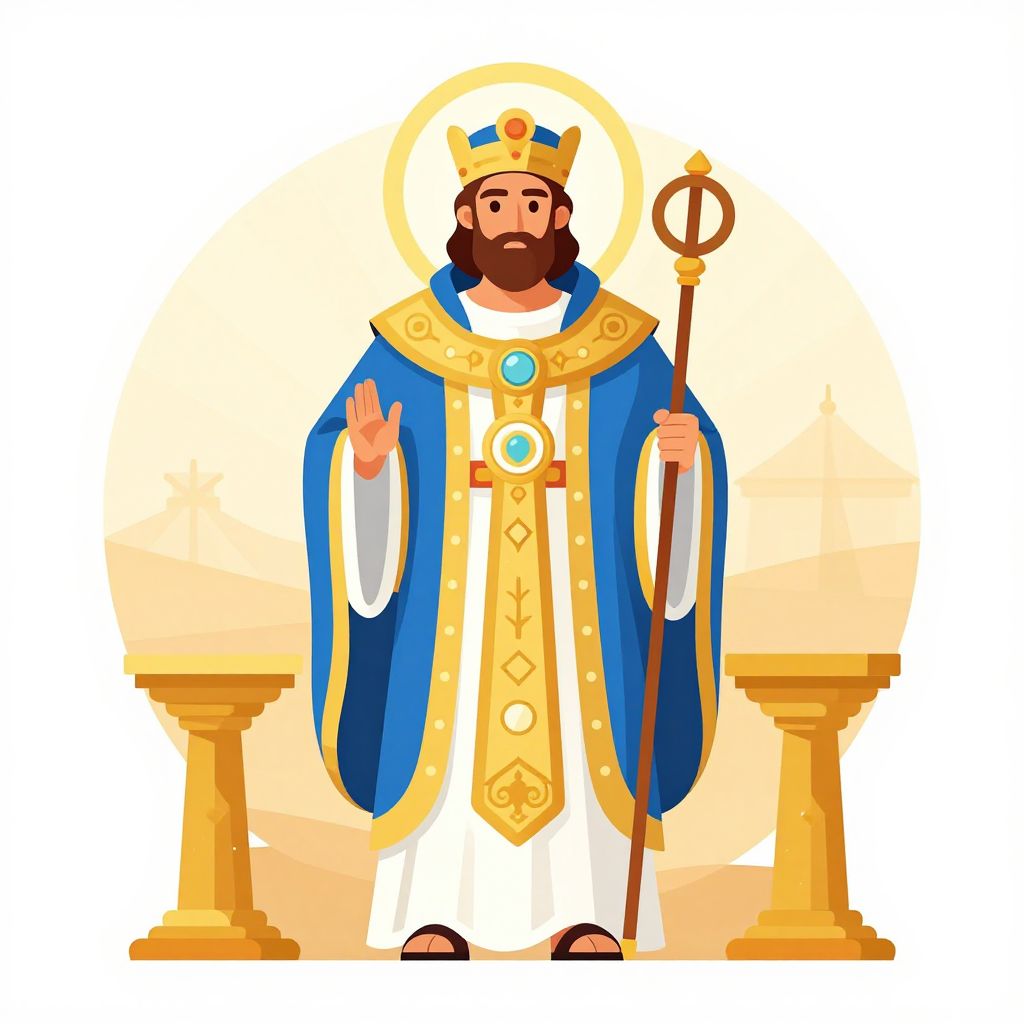
When you think about the great figures of faith, Moses often takes center stage. But standing right beside him was his brother Aaron, a man whose life reveals profound truths about God’s grace, human weakness, and divine calling. Aaron’s story shows us that God uses flawed people for His perfect purposes.
Aaron served as Israel’s first high priest and Moses’ spokesman during the Exodus. His life demonstrates both the beauty of faithful service and the sobering reality that even God’s chosen leaders struggle with sin and doubt.
Who Is Aaron in the Bible?
Aaron was Moses’ older brother who became Israel’s first high priest and served as Moses’ spokesman before Pharaoh during the Exodus from Egypt. God appointed Aaron to speak for Moses, who felt inadequate for the task, and later established Aaron and his descendants as the priestly line for Israel.
Aaron’s Early Life and Calling
Aaron came from the tribe of Levi, born during Israel’s bondage in Egypt. Exodus 4:14 tells us that when Moses hesitated to accept God’s call at the burning bush, God appointed Aaron to be his spokesman.
God knew Aaron could speak well, and He used this ability to accomplish His purposes. Sometimes God calls us to support others in ways that might seem less glamorous but are equally important in His kingdom work.
Aaron as Moses’ Spokesman
Aaron spoke God’s words to Pharaoh when Moses felt inadequate for the task. Together, the brothers witnessed God’s mighty power through the ten plagues that convinced Pharaoh to release Israel from slavery.
Aaron’s staff became a serpent before Pharaoh’s court, demonstrating God’s superiority over Egyptian magic. This partnership between Moses and Aaron shows us that God often works through teams rather than isolated individuals.
Aaron’s Role as High Priest
After the Exodus, God established Aaron as Israel’s first high priest. This appointment came directly from God, not from human ambition or political maneuvering.
The book of Leviticus describes in detail the priestly duties Aaron would perform. He would offer sacrifices, intercede for the people, and maintain the tabernacle worship that connected Israel to their God.
The Priestly Garments and Duties
God commanded specific garments for Aaron that reflected the holiness required for approaching Him. The breastpiece contained twelve stones representing the twelve tribes of Israel, showing that Aaron carried the people on his heart before God.
Aaron’s duties included offering daily sacrifices and entering the Most Holy Place once a year on the Day of Atonement. These responsibilities foreshadowed the work of Christ, our ultimate High Priest.
The Consecration Ceremony
Leviticus 8 records Aaron’s consecration as high priest in elaborate detail. Moses anointed Aaron with oil and offered sacrifices to set him apart for holy service.
This ceremony wasn’t just ritual—it demonstrated that approaching God requires purification and divine appointment. Aaron couldn’t simply decide to become high priest; God had to call and consecrate him for this sacred role.
Aaron’s Failures and Human Weakness
Aaron’s story includes significant failures that remind us that God uses imperfect people. These failures don’t disqualify God’s servants—they highlight His grace and patience.
Even those called to spiritual leadership struggle with fear, peer pressure, and momentary lapses in faith. Aaron’s mistakes serve as warnings and encouragements for anyone serving in God’s kingdom.
The Golden Calf Incident
While Moses received the Ten Commandments on Mount Sinai, the people pressured Aaron to make them a god they could see. Aaron fashioned a golden calf and declared a festival to worship it according to Exodus 32.
When Moses returned, Aaron gave a weak excuse about throwing gold into the fire and having a calf “come out.” This incident shows how quickly spiritual leaders can compromise when they fear people more than God.
Criticism of Moses
Numbers 12 records another failure when Aaron and Miriam criticized Moses for marrying a Cushite woman. They questioned Moses’ unique role as God’s spokesman, asking if God hadn’t also spoken through them.
God responded by affirming Moses’ special calling and striking Miriam with leprosy. Aaron had to plead with Moses to intercede for their sister’s healing, demonstrating the consequences of pride and jealousy.
Aaron’s Death and Legacy
Aaron died on Mount Hor at age 123, and Numbers 20:28 records that Moses transferred Aaron’s priestly garments to his son Eleazar. The entire community mourned Aaron for thirty days.
Aaron never entered the Promised Land because he and Moses disobeyed God at the waters of Meribah. This sobering reality reminds us that privilege doesn’t exempt us from the consequences of disobedience.
The Priestly Line Continues
Aaron’s sons and their descendants continued serving as priests for generations. This established priesthood pointed forward to Jesus Christ, who serves as our eternal High Priest.
The book of Hebrews explains that Christ’s priesthood surpasses Aaron’s because Jesus’ sacrifice was perfect and final. Aaron offered repeated sacrifices; Christ offered Himself once for all.
What Aaron Teaches Us Today
Aaron’s life offers several crucial lessons for modern believers. His partnership with Moses shows the importance of supporting those God calls to leadership, even when we might prefer the spotlight ourselves.
His failures remind us that spiritual authority requires constant dependence on God. Even those in religious leadership can fall into compromise and pride without vigilant humility.
God Uses Imperfect People
Aaron made serious mistakes, yet God continued using him in significant ways. This truth encourages those who feel disqualified by past failures or present weaknesses.
God’s grace doesn’t excuse sin, but it does redeem and restore those who repent. Have you ever felt too flawed to serve God effectively?
The Importance of Faithful Support
Aaron spent his life supporting his brother Moses rather than seeking independent fame. This humble service accomplished God’s purposes more effectively than self-promotion ever could.
Many Christians feel called to high-profile ministry, but God needs faithful Aaron-types who serve behind the scenes. Supporting others’ ministries often requires more character than leading them.
The Danger of People-Pleasing
Aaron’s golden calf compromise stemmed from fearing the people more than God. When leaders prioritize popularity over truth, they lead others into spiritual disaster.
This temptation affects every Christian, not just those in formal leadership. We must regularly examine whether we’re more concerned with God’s approval or human acceptance.
Aaron Points to Christ
Aaron’s priesthood ultimately pointed forward to Jesus Christ, our perfect High Priest. While Aaron offered animal sacrifices repeatedly, Christ offered Himself once as the final sacrifice for sin.
Hebrews 4:14-16 reminds us that Jesus sympathizes with our weaknesses and invites us to approach God’s throne boldly. Aaron could only enter God’s presence once a year, but Christ gives us constant access through His sacrifice.
A Better Priesthood
Aaron’s priesthood was temporary and imperfect because Aaron himself was imperfect. Christ’s priesthood is eternal and perfect because He never sinned and lives forever to intercede for us.
This comparison doesn’t diminish Aaron’s importance—it highlights how God used him to prepare the way for something greater. Every aspect of Old Testament worship pointed toward the complete salvation found in Christ.
Aaron’s story reminds us that God accomplishes His purposes through ordinary, flawed people who depend on His grace. His life demonstrates both the privilege and responsibility of serving God, along with the patient mercy available when we fail. Whether you feel called to leadership like Aaron or to support others like he supported Moses, remember that faithful service matters more than perfect performance. God uses those who make themselves available, weaknesses and all, for His kingdom purposes. Take time to reflect on how you might serve faithfully in whatever role God has given you, trusting His grace to cover your inadequacies while striving for obedience and humility.
Aaron’s legacy encourages us to embrace both the honor and humility of serving God’s people while pointing them toward Christ, our ultimate High Priest. For more insights into biblical characters and their relevance to faith today, explore what the Bible says about various topics that strengthen our spiritual foundation. You might also find it meaningful to study the Ten Commandments that God gave to Moses while Aaron waited with the people below Mount Sinai.