
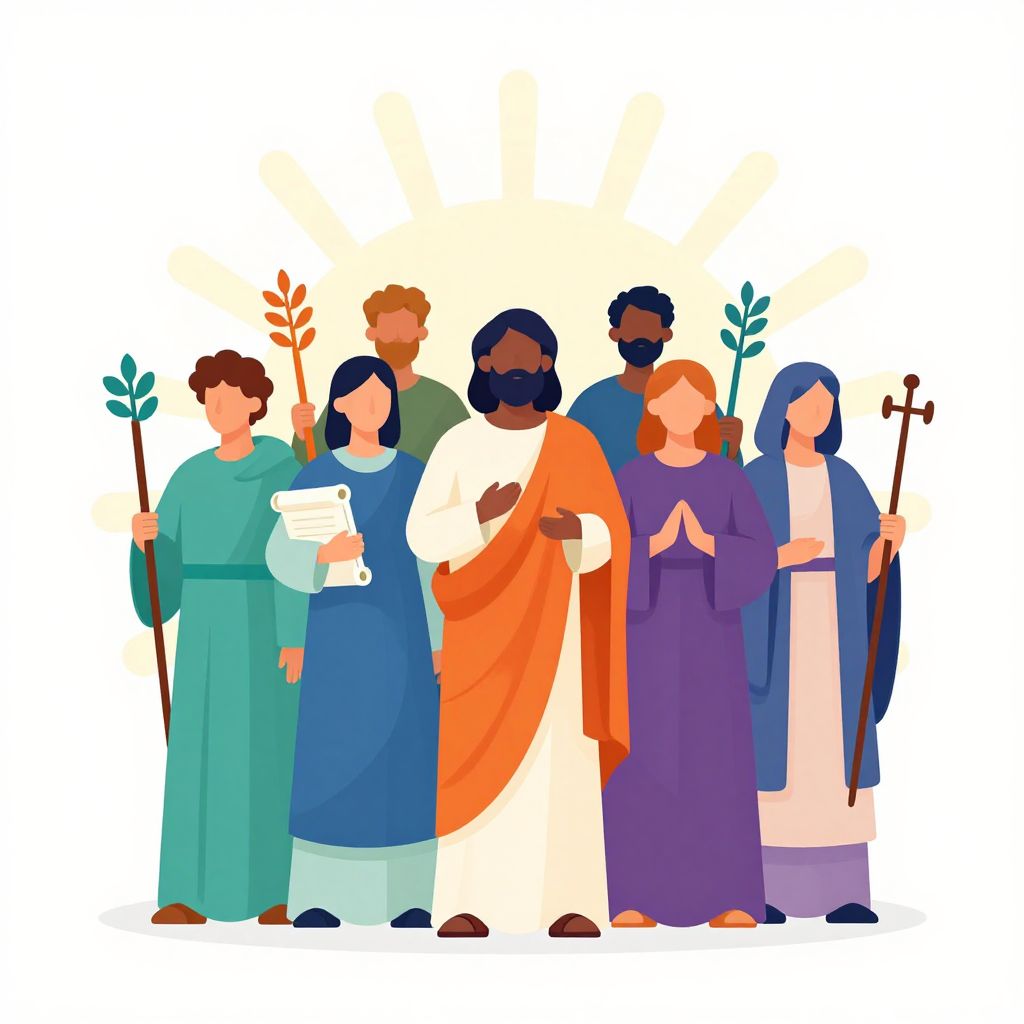
The prophets stand among the most courageous and misunderstood figures in all of Scripture. They didn’t predict the future like fortune tellers, and they weren’t religious celebrities seeking fame.
They were God’s messengers, called to speak truth when kingdoms preferred lies, to warn of judgment when nations craved comfort, and to point toward a coming Messiah when the world had stopped looking for one.
Who Were the Prophets in the Bible?
The prophets in the Bible were men and women chosen by God to deliver His messages to Israel, Judah, and surrounding nations. They called people back to covenant faithfulness, warned of coming judgment, and proclaimed hope through God’s promised redemption. Their primary role was not to predict the future but to speak God’s word to their present generation.
The Calling of a Prophet
God did not call the prophets because they were eloquent, powerful, or naturally brave. He called them because He had a message that needed to be spoken, and He chose specific people to carry it.
Moses protested that he couldn’t speak well (Exodus 4:10). Jeremiah said he was too young (Jeremiah 1:6). Jonah literally ran in the opposite direction (Jonah 1:3).
The calling didn’t depend on their readiness. It depended on God’s purpose and His willingness to equip them for the task.
Prophets received their messages through visions, dreams, direct words from God, and sometimes through signs they were commanded to act out. Ezekiel lay on his side for 390 days to symbolize Israel’s sin (Ezekiel 4:4-5).
The Message They Carried
Prophets spoke three primary types of messages: calls to repentance, warnings of judgment, and promises of restoration. Each message pointed the people back to the character of God and the requirements of His covenant.
When Israel turned to idols, prophets like Elijah confronted the false worship head-on. When the nation oppressed the poor, prophets like Amos declared that God hated their religious festivals because their hearts were far from Him.
The prophets didn’t just talk about behavior; they exposed the heart. They said what God said, whether it made them popular or not.
The Major Prophets
The term “major prophets” doesn’t mean these prophets were more important than others. It simply refers to the length of the books they wrote.
There are five major prophets: Isaiah, Jeremiah, Lamentations (also written by Jeremiah), Ezekiel, and Daniel. Each brought a distinct message during critical moments in Israel’s history.
Isaiah: The Prophet of the Messiah
Isaiah prophesied during the reigns of four kings of Judah and spoke more about the coming Messiah than any other prophet. His words pointed forward to Jesus with stunning clarity.
Isaiah 53 describes a suffering servant who would bear our sins and be crushed for our iniquities. Isaiah 7:14 foretold a virgin birth. Isaiah 9:6 declared that a child would be born who is called Mighty God and Prince of Peace.
Isaiah’s ministry spanned both warning and hope. He called Judah to repentance while also painting a vision of a future kingdom where the wolf would dwell with the lamb.
Jeremiah: The Weeping Prophet
Jeremiah prophesied during Judah’s final decades before the Babylonian exile. He warned that judgment was coming, and the people hated him for it.
He was thrown into a cistern, imprisoned, and mocked. Yet Jeremiah 29:11 reveals God’s heart through him: “For I know the plans I have for you, declares the Lord, plans for welfare and not for evil, to give you a future and a hope” (ESV).
Jeremiah wept over the sin of his people and the devastation he knew was coming. His tears showed that speaking truth doesn’t mean lacking compassion.
Ezekiel: The Prophet of God’s Glory
Ezekiel prophesied to the Jewish exiles in Babylon. His visions were vivid, strange, and full of symbolism that revealed God’s holiness and coming restoration.
Ezekiel saw the glory of God depart from the temple because of Israel’s sin (Ezekiel 10), but he also saw a vision of dry bones coming to life, symbolizing Israel’s future restoration (Ezekiel 37). God’s discipline had a purpose: to bring His people back to Himself.
Daniel: The Prophet in Exile
Daniel was taken to Babylon as a young man and served in the courts of foreign kings. He interpreted dreams, survived a lions’ den, and received visions about future kingdoms and the end times.
Daniel’s prophecies in chapters 2, 7, and 9 outline the rise and fall of empires and point toward the ultimate kingdom of God. His life demonstrated that faithfulness to God is possible even in a pagan culture.
The Minor Prophets
The twelve minor prophets wrote shorter books, but their messages carried the same divine authority. Each addressed specific situations with timeless truth.
Here’s a quick overview of their core messages:
- Hosea: God’s faithful love despite Israel’s spiritual adultery
- Joel: The coming Day of the Lord and the outpouring of the Holy Spirit
- Amos: Social justice and God’s judgment on Israel’s oppression of the poor
- Obadiah: Judgment on Edom for pride and violence against Israel
- Jonah: God’s mercy extends even to Israel’s enemies
- Micah: God’s requirements: do justice, love mercy, walk humbly (Micah 6:8)
- Nahum: The fall of Nineveh and God’s justice against cruelty
- Habakkuk: Wrestling with God’s justice and learning to trust Him
- Zephaniah: The Day of the Lord and the promise of restoration
- Haggai: Rebuilding the temple and prioritizing God’s house
- Zechariah: Visions of the Messiah and the restored kingdom
- Malachi: God’s unchanging love and the call to return to Him
Each prophet addressed a specific audience, but their messages transcend time. When Amos called out religious hypocrisy, he spoke to every generation that tries to worship God on Sunday while ignoring justice the rest of the week.
Lessons from the Minor Prophets
The minor prophets show us that God cares about the details of how we live. He cares about our motives, our treatment of others, and whether our worship is genuine.
Malachi asked, “Will a man rob God?” (Malachi 3:8, ESV). The question wasn’t just about tithes; it was about whether God’s people truly honored Him as Lord.
Do you ever wonder if God notices the small compromises, the quiet bitterness, the ways you go through the motions? The minor prophets answer with a resounding yes.
Female Prophets in Scripture
While most biblical prophets were men, Scripture also identifies several women whom God called to prophetic ministry. Their inclusion shows that God’s call is not limited by gender when He chooses to speak.
Miriam, Moses’ sister, is called a prophetess in Exodus 15:20. She led the women of Israel in worship after the Red Sea crossing.
Deborah served as both a judge and a prophetess (Judges 4:4). She delivered God’s battle plans to Barak and led Israel during a time when the men lacked courage.
Huldah was consulted by King Josiah when the Book of the Law was discovered (2 Kings 22:14). Her prophetic word confirmed the coming judgment and God’s response to Josiah’s repentant heart.
In the New Testament, Anna the prophetess recognized the infant Jesus as the Messiah and spoke about Him to all who were waiting for redemption (Luke 2:36-38). Philip the evangelist had four unmarried daughters who prophesied (Acts 21:9).
What the Prophets Pointed Toward
Every prophet, whether speaking about immediate circumstances or distant futures, ultimately pointed toward Jesus Christ. The entire prophetic witness of Scripture finds its fulfillment in Him.
Isaiah’s suffering servant became the crucified Savior. Jeremiah’s new covenant was ratified in Christ’s blood. Ezekiel’s vision of God’s Spirit breathing life into dry bones found fulfillment at Pentecost.
Jesus Himself said, “Do not think that I have come to abolish the Law or the Prophets; I have not come to abolish them but to fulfill them” (Matthew 5:17, ESV). The prophets prepared the way for the Messiah’s arrival.
When you read the prophets, you’re not just reading ancient history. You’re seeing God’s plan of redemption unfold across centuries, all leading to the cross and the empty tomb.
The Prophets and Today’s Believer
The prophets still speak to us today. Their warnings against idolatry apply when we elevate career, comfort, or approval above God. Their calls for justice challenge us when we ignore the marginalized.
Their persistent hope reminds us that God’s promises never fail. Just as He kept His word to bring the Messiah, He will keep His word to return and make all things new.
The courage of the prophets also challenges modern believers. They spoke unpopular truth because they feared God more than people. That same holy fear should mark our lives.
Living in Light of the Prophetic Word
The prophets teach us that God always makes His will known before He acts. He warned Noah before the flood, He warned Israel before the exile, and He has warned us about the coming judgment and the return of Christ.
2 Peter 1:19 calls Scripture “a lamp shining in a dark place” (ESV). The prophetic word lights the path when the world around us grows dim.
When you feel overwhelmed by the brokenness of the world, remember that the prophets lived in brutal times too. They saw corruption, violence, and widespread rejection of God. Yet they held onto hope because they knew God’s character.
How do you respond when the culture around you moves further from God’s truth? The prophets show us that faithfulness matters more than popularity, and obedience matters more than outcomes we can see.
Practical Steps to Learn from the Prophets
If you want to grow in understanding and applying the prophetic books, here are some concrete steps:
- Read one prophetic book all the way through in one sitting to grasp its full message and flow
- Study the historical context by reading the corresponding narratives in Kings or Chronicles
- Look for references to the Messiah and see how they connect to Jesus in the Gospels
- Ask God to search your heart as you read the calls to repentance
- Memorize key verses that speak hope into your current circumstances
The prophets weren’t meant to be mysterious or inaccessible. They were meant to be read, believed, and obeyed.
The Enduring Legacy of the Prophets
The prophets left us more than predictions. They left us a portrait of God’s character: His holiness that cannot tolerate sin, His justice that defends the oppressed, His mercy that pursues the rebellious, and His faithfulness that never wavers.
They showed us what it looks like to stand firm when everyone else bows down. They demonstrated that speaking God’s truth costs something, but silence costs more.
Their writings prepare us for Christ’s return just as they prepared Israel for His first coming. The same God who kept His promise to send a Savior will keep His promise to bring that Savior back.
The question the prophets leave us with is this: Will we listen? Will we turn from the idols that promise satisfaction but deliver emptiness? Will we live with the urgency of people who know judgment and redemption are both real?
The prophets were ordinary people made extraordinary by the God who spoke through them. That same God still speaks today through His written Word, calling us to repentance, offering us hope, and inviting us to walk in His ways until the day when every prophetic promise finds its final fulfillment. If you want to explore more about what a prophet is or discover how many prophets are mentioned throughout Scripture, these topics can deepen your understanding of God’s messengers and the vital role they played in His redemptive plan.