
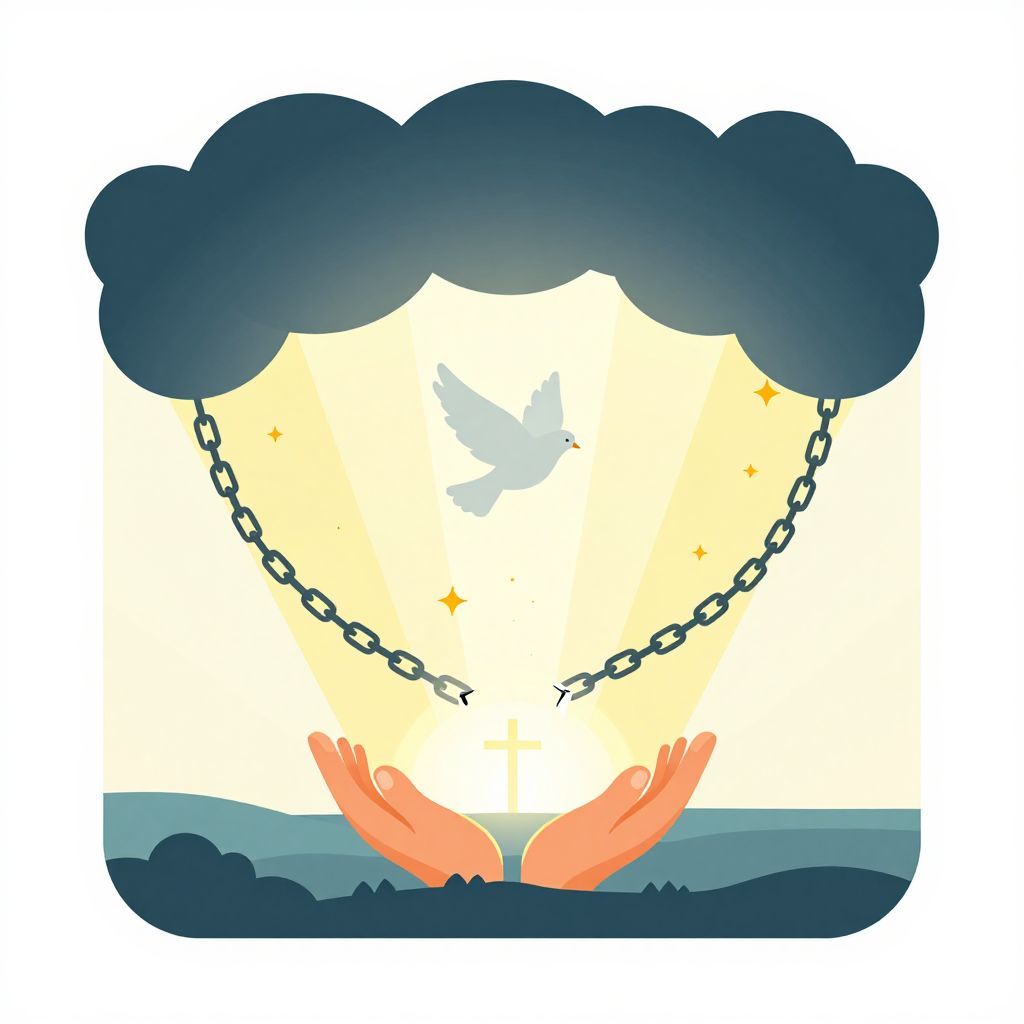
When someone we love takes their own life, or when we face our own darkest moments, one question haunts us: what does God think about suicide? The weight of this question can feel unbearable, especially when grief and guilt collide with our faith.
Scripture speaks with both truth and tenderness about the value of life, the reality of human suffering, and God’s heart for those who hurt. The Bible reveals that while suicide grieves God’s heart, it does not place someone beyond His mercy or love.
What Does the Bible Say About Suicidal Death?
The Bible presents suicide as a tragic consequence of overwhelming despair, but it never suggests that taking one’s life condemns someone to hell. Scripture emphasizes God’s sovereignty over life and death while demonstrating His compassion for human suffering.
Biblical Examples of Suicide
The Bible records several instances of suicide without explicit condemnation of the individuals involved. King Saul fell on his sword after being wounded in battle (1 Samuel 31:4), and his armor-bearer followed suit.
Ahithophel hanged himself when his counsel was rejected (2 Samuel 17:23). Zimri burned down his palace with himself inside (1 Kings 16:18).
Most notably, Judas Iscariot took his own life after betraying Jesus (Matthew 27:5). These accounts present suicide as tragic outcomes of desperate circumstances, not as unforgivable sins.
God’s View of Life
Scripture teaches that God creates and values every human life (Psalm 139:13-16). Life belongs to Him, and He alone holds the authority to give and take it (Job 1:21).
This truth doesn’t mean God responds with anger when someone in unbearable pain makes a tragic choice. Rather, it establishes the foundation for understanding why life has meaning and why each person matters deeply to Him.
Why Suicide Doesn’t Determine Eternal Destiny
Salvation Comes Through Faith, Not Final Actions
Eternal life comes through faith in Jesus Christ, not through our final earthly act (Ephesians 2:8-9). If our salvation depended on ending well, none of us could be certain of heaven.
Every believer sins daily, and our last moments don’t erase a lifetime of faith. The thief on the cross demonstrates that even final moments can contain saving faith, but this doesn’t mean our last action determines our eternal state.
The Unpardonable Sin
Jesus spoke of only one unforgivable sin: blasphemy against the Holy Spirit (Matthew 12:31-32). Bible scholars generally agree this refers to persistent, willful rejection of God’s Spirit throughout one’s life.
Suicide, while tragic and contrary to God’s design, does not constitute the unpardonable sin. Many who take their own lives do so in mental anguish, not in deliberate rebellion against God.
Understanding Mental Illness and Spiritual Reality
The Brain and Spiritual Clarity
Scripture acknowledges that our physical bodies affect our spiritual and emotional states. David wrote about his bones wasting away and his strength being sapped (Psalm 32:3-4).
Mental illness can cloud judgment and create overwhelming despair that doesn’t reflect someone’s true spiritual condition. God understands the complexity of human suffering in ways we cannot fully grasp.
God’s Compassion for Human Frailty
The Psalms overflow with examples of believers crying out in despair. Psalm 88 ends without resolution, showing that God accepts our honest struggles.
Jesus himself experienced deep anguish and asked for His cup of suffering to pass (Luke 22:42). God doesn’t condemn us for feeling overwhelmed; He meets us in our darkest valleys.
How Should Christians Respond to Suicide?
Extend Grace, Not Judgment
Jesus reserved His harshest words for the self-righteous, not for those who struggled with pain. When faced with suicide, Christians must lead with compassion rather than condemnation.
We cannot see the full picture of someone’s relationship with God or understand the depths of their suffering. Our role is to offer the same grace God extends to us daily.
Provide Hope and Practical Help
The church serves as God’s hands and feet to those in crisis. We must create environments where people feel safe sharing their struggles without fear of judgment.
Professional mental health care often provides crucial support alongside spiritual care. God uses doctors, counselors, and medication as tools of healing just as He uses prayer and Scripture.
Hope for Those Left Behind
Grief Without Guilt
Survivors of suicide loss can grieve without carrying unnecessary guilt about their loved one’s eternal destiny. God’s justice and mercy work together in ways beyond our understanding.
The same God who forgives our daily failures can certainly extend grace to those who ended their lives in despair. Trust His character rather than your fears.
Finding Meaning in Loss
While we may never understand why someone chose suicide, we can trust that God wastes nothing. He can use even our deepest pain to bring healing to others and glory to Himself.
Many who have lost loved ones to suicide find purpose in advocating for mental health awareness or supporting others in crisis. God specializes in bringing beauty from ashes (Isaiah 61:3).
Practical Steps for Prevention and Support
Recognize Warning Signs
Christians must learn to identify when someone is struggling with suicidal thoughts. Warning signs include withdrawal from relationships, expressing hopelessness, giving away possessions, or talking about being a burden.
Don’t assume someone is “fine” because they attend church or quote Scripture. Faithful people can still battle severe depression and suicidal ideation.
Take Action
If someone expresses suicidal thoughts, take them seriously every time. Contact mental health professionals, stay with the person, and remove means of self-harm when possible.
The National Suicide Prevention Lifeline (988) provides 24/7 support. Sometimes the most spiritual thing we can do is help someone get immediate professional care.
God’s Heart for the Hurting
Scripture consistently reveals God as one who draws near to the brokenhearted and saves those who are crushed in spirit (Psalm 34:18). His heart breaks for human suffering, not burns with anger toward those who can’t endure it.
Jesus came to heal the wounded and bind up the brokenhearted (Luke 4:18). This mission doesn’t end when someone’s pain becomes unbearable or when they make a tragic choice in their darkest hour.
When we wonder what happens to those who die by suicide, we can rest in God’s perfect justice and infinite mercy. The same God who loved us enough to send His Son will handle each soul with the wisdom and grace we cannot fully comprehend.
Rather than focusing on judgment, let’s focus on prevention, support, and hope. God calls us to be His instruments of healing in a broken world, offering the light of Christ to those walking through their darkest valleys.
Continue exploring important biblical topics and deepen your understanding of what Scripture teaches about life’s most challenging questions. For those wrestling with other difficult subjects, consider examining biblical perspectives on various aspects of Christian living and faith.