
The wise men brought gold, frankincense, and myrrh to the baby Jesus—but what made frankincense worthy of the King of Kings? This aromatic resin appears throughout Scripture as far more than a pleasant fragrance.
Frankincense represents the bridge between earth and heaven, carrying the prayers of God’s people directly to His throne. Understanding its biblical significance transforms how we approach worship and prayer today.
What Is Frankincense in the Bible?
Frankincense is a sacred aromatic resin that symbolizes worship, prayer, and the divine nature of Christ throughout Scripture. God commanded its use in temple worship, and it consistently represents the sweet aroma of prayers ascending to heaven.
The Physical Properties of Biblical Frankincense
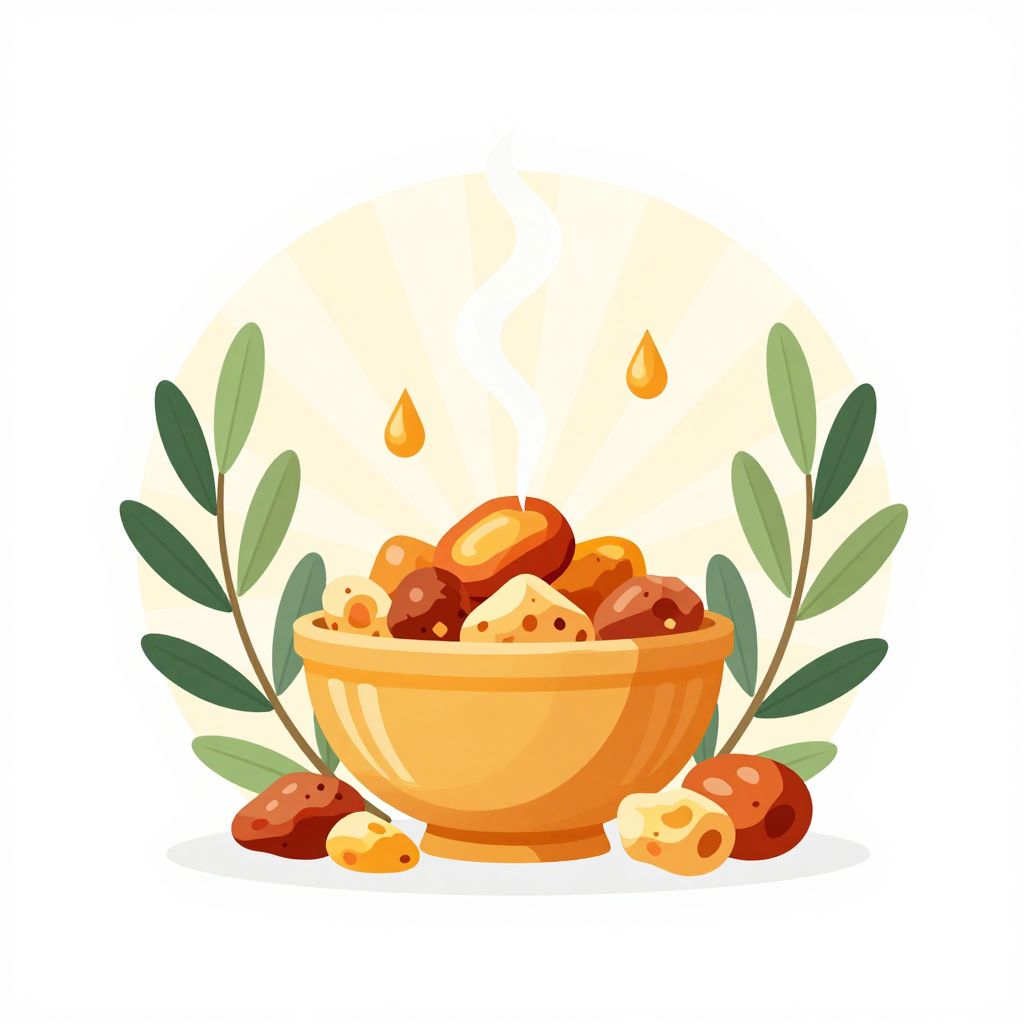
Frankincense comes from the Boswellia tree, native to the Arabian Peninsula and parts of Africa. When the bark receives cuts, it produces a milky resin that hardens into tears of golden or white crystalline drops.
Ancient peoples burned these resin tears to release their distinctive, holy fragrance. The smoke would rise upward, creating a visual picture of prayers ascending to God’s throne.
Why God Chose This Specific Substance
God doesn’t choose anything randomly—frankincense carries profound spiritual meaning. Its upward-rising smoke mirrors how our prayers travel from earth to heaven’s throne room.
The costly nature of frankincense also reflected the precious value of approaching God in worship. Only the finest offerings belonged in His presence.
Frankincense in Old Testament Worship
The Sacred Incense Formula
God gave Moses specific instructions for creating holy incense in Exodus 30:34-36. This sacred blend included frankincense as one of four key ingredients, mixed with equal parts of other spices.
The Lord commanded that this incense burn continually before Him in the tabernacle. No substitute formula could replace what God had ordained for His worship.
The Grain Offering Connection
Leviticus 2:1-2 reveals that frankincense accompanied grain offerings brought to the Lord. The priest would burn a portion with frankincense as “a pleasing aroma to the Lord.”
This combination of bread and incense points forward to Christ as both the Bread of Life and our great High Priest. Every grain offering with frankincense whispered of the coming Savior.
The Day of Atonement Ritual
On the holiest day of the year, the high priest carried burning incense into the Most Holy Place. Leviticus 16:12-13 shows frankincense creating a protective cloud before God’s presence.
Without this aromatic covering, even the high priest would die in God’s holy presence. The frankincense literally stood between human sinfulness and divine holiness.
The Wise Men’s Gift to Jesus
Recognition of Christ’s Divine Nature
When the magi brought frankincense to baby Jesus, they acknowledged His deity. Matthew 2:11 records how these wise men “bowed down and worshiped him” before presenting their gifts.
Frankincense was the gift specifically associated with worship and divinity. The wise men recognized that this child deserved the same honor given to God in the temple.
Prophetic Significance of the Gift
The three gifts—gold, frankincense, and myrrh—prophetically declared Jesus’ threefold role. Gold announced His kingship, myrrh His sacrificial death, and frankincense His role as our eternal High Priest.
Think about it: the very substance used to make prayers acceptable to God was given to the One who would become our perfect mediator. How beautifully God weaves His plan together!
Fulfillment of Old Testament Prophecy
Isaiah 60:6 prophesied that nations would bring gold and frankincense to honor the Lord. The wise men’s gifts fulfilled this ancient promise about the Messiah’s worship.
God had declared centuries earlier that frankincense would mark the recognition of His anointed King. The magi’s worship completed what the prophets foretold.
Spiritual Symbolism Throughout Scripture
Prayers Rising Like Incense
Psalm 141:2 captures the beautiful connection: “May my prayer be set before you like incense; may the lifting up of my hands be like the evening sacrifice.” David understood that frankincense represented his prayers ascending to God.
Revelation 8:3-4 shows this symbolism reaching its ultimate fulfillment in heaven. An angel mixes the prayers of all the saints with incense before God’s throne.
The Fragrance of Worship
Frankincense creates what Scripture calls “a pleasing aroma to the Lord.” This phrase appears repeatedly in Leviticus, showing that God delights in the worship His people offer through proper channels.
Our worship today should carry the same sweet fragrance that frankincense represented. God still delights in the prayers and praise of His people.
Costliness and Sacrifice
Frankincense cost more than gold in the ancient world, making it a true sacrifice for worshipers. This teaches us that valuable worship requires something precious from our hearts.
God doesn’t want our leftover time or halfhearted attention. Like frankincense, our worship should cost us something significant.
Christ as Our Perfect Frankincense
Jesus as the True Incense
Christ fulfills everything frankincense symbolized in the Old Testament. His perfect life creates the pleasing aroma that makes our prayers acceptable to the Father.
We don’t need literal frankincense anymore because Jesus has become our eternal incense. Hebrews 7:25 tells us He “always lives to intercede” for those who come to God through Him.
Access to the Holy of Holies
The high priest needed frankincense to survive God’s presence, but Jesus opened direct access for us. Hebrews 10:19-20 declares we can “enter the Most Holy Place by the blood of Jesus.”
Christ’s sacrifice replaced the frankincense barrier with an open door. We can approach God’s throne boldly because Jesus has made the way clear.
Our Priestly Calling
1 Peter 2:9 calls believers “a royal priesthood” chosen to “declare the praises” of God. We now serve as priests who offer spiritual incense through our worship and prayers.
Every time you pray, you function like the priests who burned frankincense in the temple. Your prayers rise before God’s throne as sweet-smelling incense.
Practical Applications for Christian Living
Approaching God with Reverence
Frankincense teaches us that worship requires intentionality and reverence. We don’t casually stroll into God’s presence—we come with awe and respect for His holiness.
How do you prepare your heart before prayer? Do you rush into God’s presence, or do you pause to remember who He is?
The Value of Consistent Prayer
The temple incense burned continually, never stopping day or night. This shows us the importance of maintaining consistent communication with God through prayer.
Your prayers don’t need to be long or eloquent, but they should be regular. Like frankincense, they should rise to God throughout each day.
Worship as a Lifestyle
Frankincense reminds us that worship extends far beyond Sunday morning services. The priests burned incense daily, making worship a constant practice rather than a weekly event.
Consider how your daily activities can become offerings that create a pleasing aroma to the Lord. Even mundane tasks become worship when done for God’s glory.
The Eternal Perspective
Frankincense in Scripture points us toward eternal realities that transcend our earthly experience. From the tabernacle to the wise men’s gifts to heaven’s throne room, this sacred substance connects earth to the divine realm.
Understanding frankincense deepens our appreciation for Christ’s work as our High Priest and transforms our approach to prayer and worship. When you pray today, remember that your words rise before God’s throne like sweet incense, made acceptable through Jesus’ perfect sacrifice.
For more insights into biblical symbols and their meanings, explore what the Bible says about various topics. You might also find it helpful to learn about what manna represents in Scripture, as it provides another beautiful picture of God’s provision and care for His people.