
Three wise men brought gold, frankincense, and myrrh to the Christ child, but many believers read right past that third gift without understanding its profound meaning. Myrrh appears throughout Scripture as more than just an expensive spice or perfume.
This aromatic resin carries deep spiritual significance that points directly to God’s redemptive plan. Understanding myrrh’s biblical meaning opens our eyes to truths about suffering, sacrifice, and the character of our Savior.
What Is Myrrh in the Bible?
Myrrh in the Bible represents suffering, sacrifice, and preparation for death, while also symbolizing something precious and costly given to God. This fragrant resin, extracted from thorny trees through cuts and wounds, served as perfume, medicine, and embalming spice throughout biblical times.
The Physical Properties of Biblical Myrrh
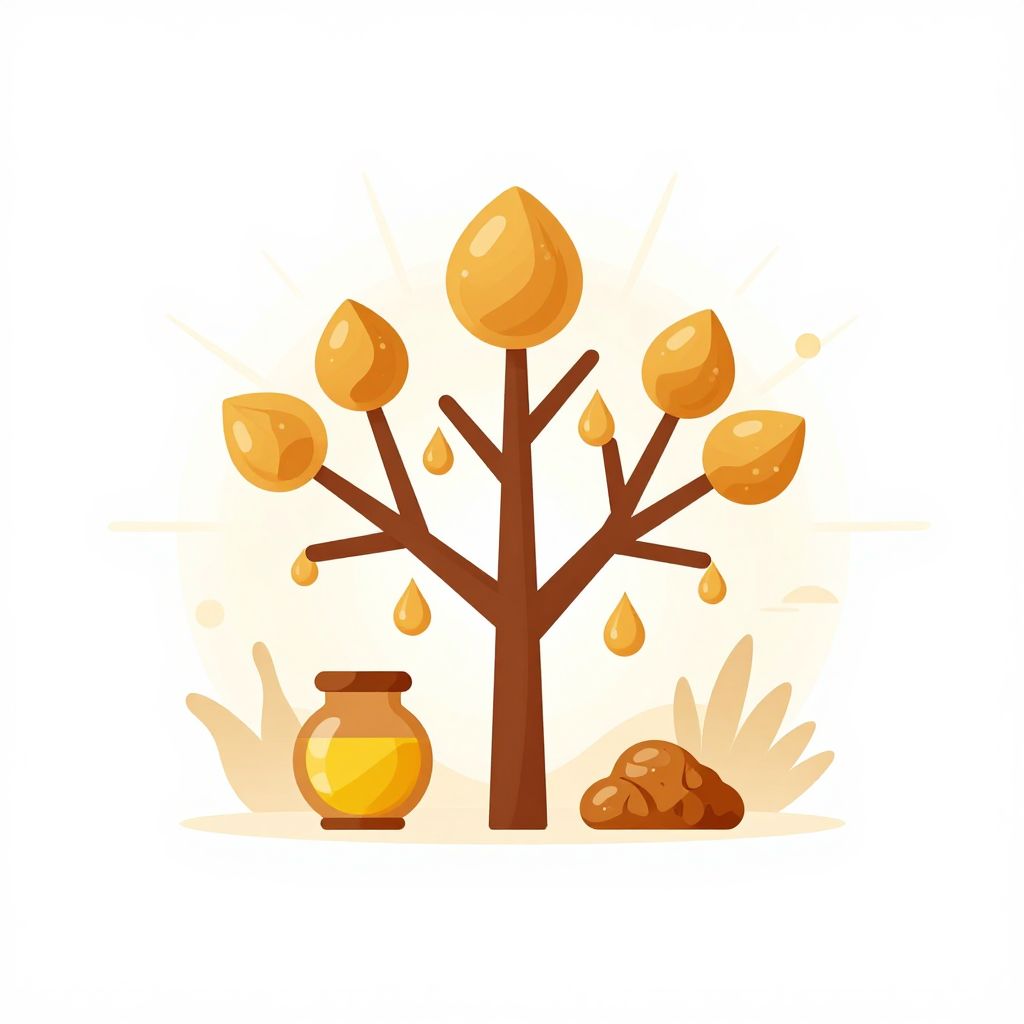
Myrrh comes from small, thorny trees that grow in harsh desert conditions across Arabia and Northeast Africa. Workers harvest the resin by cutting the bark, allowing the tree’s “tears” to harden into aromatic lumps.
The process of obtaining myrrh requires wounding the tree. This physical reality carries profound spiritual symbolism that God wove throughout Scripture.
Ancient peoples prized myrrh for its bitter-sweet fragrance and preservative qualities. Myrrh cost more than gold by weight in many periods of biblical history.
Myrrh’s Practical Uses in Ancient Times
Biblical cultures used myrrh for multiple purposes that connect to spiritual truths. Women wore it as perfume, particularly for special occasions and wedding preparations.
Physicians mixed myrrh with wine as pain relief, which explains why soldiers offered it to Jesus on the cross. Jesus refused this mixture, choosing to experience the full weight of suffering for our sins (Mark 15:23).
Most significantly, myrrh served as a primary ingredient in embalming spices. This use foreshadowed Christ’s death even at His birth.
Myrrh in the Old Testament
The Holy Anointing Oil
God commanded Moses to include myrrh as the primary ingredient in the sacred anointing oil used in the tabernacle. Exodus 30:23-25 lists myrrh first among the precious spices, emphasizing its importance in worship.
This holy oil consecrated priests, kings, and sacred objects for service to God. The inclusion of myrrh in this mixture points to the suffering that comes with being set apart for God’s purposes.
Every time the Israelites smelled this anointing oil, they encountered the scent of myrrh. God embedded the reality of sacrifice into their very worship.
Songs and Poetry
Psalm 45:8 describes the Messiah’s robes as fragrant with myrrh, aloes, and cassia. This prophetic psalm connects myrrh directly to the coming King who would suffer for His people.
Song of Solomon mentions myrrh repeatedly as a symbol of love’s costliness and the beloved’s preciousness. True love requires sacrifice, and myrrh represents that willingness to pay the price.
These poetic references prepare us to understand why myrrh appears so prominently in Christ’s story. The Old Testament carefully laid the groundwork for myrrh’s deeper meaning.
The Wise Men’s Gift of Myrrh
Prophetic Significance at Jesus’ Birth
The wise men brought three gifts that declared Jesus’ identity: gold for His kingship, frankincense for His divinity, and myrrh for His humanity and coming death. Matthew 2:11 records these Gentile worshipers offering myrrh to the infant Jesus.
This gift seems unusual for celebrating a birth, but God orchestrated every detail. The myrrh announced that this baby came to die.
Even at Christ’s birth, the shadow of the cross fell across the manger. The wise men unknowingly provided the aromatic spice that would later anoint Jesus’ body for burial.
God’s Provision Through Unexpected Sources
The myrrh from the wise men likely helped fund the holy family’s escape to Egypt. God provided for Jesus’ protection through gifts that also prophesied His purpose.
This provision shows how God works through circumstances we might not immediately understand. The gifts that announced Jesus’ coming death also preserved His life during Herod’s murderous rage.
Do you see how God can use even difficult circumstances to accomplish His perfect will? The myrrh’s dual purpose demonstrates His sovereignty over every detail of our lives.
Myrrh at the Crucifixion
The Refused Pain Relief
Roman soldiers offered Jesus wine mixed with myrrh as He hung on the cross. Mark 15:23 tells us that Jesus refused this mixture that would have dulled His pain.
Christ chose to experience the full agony of crucifixion without any relief. He refused the myrrh’s numbing properties so He could fully bear the weight of our sins.
This refusal shows Jesus’ complete commitment to His mission. He would not take shortcuts or seek relief from the suffering that secured our salvation.
The Cost of Our Redemption
Jesus’ refusal of myrrh-mixed wine demonstrates the price He willingly paid for our redemption. He endured the full intensity of God’s wrath against sin without seeking any comfort.
The myrrh offered at the cross represents the costly nature of our salvation. Nothing cheap or easy could atone for human sin.
Every time we see myrrh mentioned in Scripture, we should remember the cross. Our salvation cost Jesus everything, including His willingness to refuse relief from suffering.
Myrrh in Jesus’ Burial
Nicodemus and the Burial Spices
John 19:39-40 records that Nicodemus brought a mixture of myrrh and aloes, about seventy-five pounds, to prepare Jesus’ body for burial. This enormous quantity showed the love and honor these secret disciples held for their Lord.
The myrrh given at Jesus’ birth found its fulfillment at His death. God’s plan came full circle as the burial spices completed the prophetic picture.
Nicodemus, who once came to Jesus secretly by night, publicly honored Him in death with the most expensive burial preparation available. Fear gave way to love.
The Completion of Prophecy
The women who came to the tomb on Easter morning brought additional spices, including myrrh, to further anoint Jesus’ body. They discovered that death could not hold the One who had conquered sin (Luke 24:1-3).
The myrrh meant for Jesus’ dead body became unnecessary because He rose from the grave. The spices prepared for death became witnesses to resurrection.
This transformation shows how God turns our sorrows into joy. What seemed like the end of hope became the beginning of eternal life.
Spiritual Lessons from Biblical Myrrh
Suffering Produces Something Beautiful
Myrrh only flows when the tree is wounded, yet it produces one of the most precious fragrances in the ancient world. Our suffering, when surrendered to God, can produce spiritual beauty that honors Him.
The wounds that cause pain can become sources of blessing when God transforms them. He specializes in bringing good from what we consider loss.
Have you experienced how God can use difficult circumstances to create something beautiful in your character? The myrrh tree teaches us that wounds can become sources of precious offerings.
True Worship Costs Something
The wise men’s gift of myrrh was expensive, and true worship always costs us something valuable. God desires offerings that represent genuine sacrifice on our part (2 Samuel 24:24).
Cheap grace that costs us nothing reflects a shallow understanding of what Christ did for us. Real devotion requires laying down what we treasure most.
The myrrh given to Jesus represents the kind of costly worship God seeks from His people. Our best offerings flow from grateful hearts that understand His sacrifice.
Preparation for Service Requires Sacrifice
The holy anointing oil containing myrrh set apart priests and kings for sacred service. God still uses suffering and sacrifice to prepare His people for meaningful ministry.
Those who serve God effectively often carry the fragrance of myrrh – they understand both the cost of discipleship and the beauty that emerges from surrender. Their lives give off the sweet aroma of Christ.
The bitter experiences that wound us can become the very things God uses to make us effective in blessing others. Myrrh teaches us that preparation for service includes embracing difficulty with grace.
Living Out the Myrrh Principle
Embracing Costly Discipleship
Following Christ requires the same willingness to be wounded that produces myrrh. Jesus called His disciples to take up their crosses daily, not seek comfort and ease (Luke 9:23).
The Christian life involves costly choices that might seem foolish to the world. Like the wise men who traveled far to offer expensive gifts to a baby, we invest in what others might not value.
True discipleship costs us something precious, but it produces the fragrance of Christ in our lives. Are you willing to be wounded if it means blessing others?
Offering Our Best to God
The biblical pattern shows people bringing their most valuable possessions as offerings to God. Myrrh represents giving God our best, not our leftovers.
This principle applies to our time, talents, and resources. God deserves the first and finest we have to offer.
Consider what your “myrrh” might be – that precious thing you could offer to God as an act of worship. He honors sacrificial giving that flows from love.
Understanding myrrh’s rich biblical symbolism transforms how we read familiar passages about Jesus’ birth, death, and burial. This precious resin connects the manger to the cross, showing us that God’s redemptive plan included suffering from the very beginning. As you reflect on myrrh’s significance, remember that your own wounds and sacrifices, when offered to God, can produce spiritual fragrance that honors Christ and blesses others.
Exploring biblical symbols like myrrh deepens our understanding of Scripture’s rich tapestry. For more insights into what the Bible says about important topics, and to learn about other fascinating elements like what manna represents in God’s provision for His people, continue studying these meaningful symbols that point us toward deeper spiritual truths.