
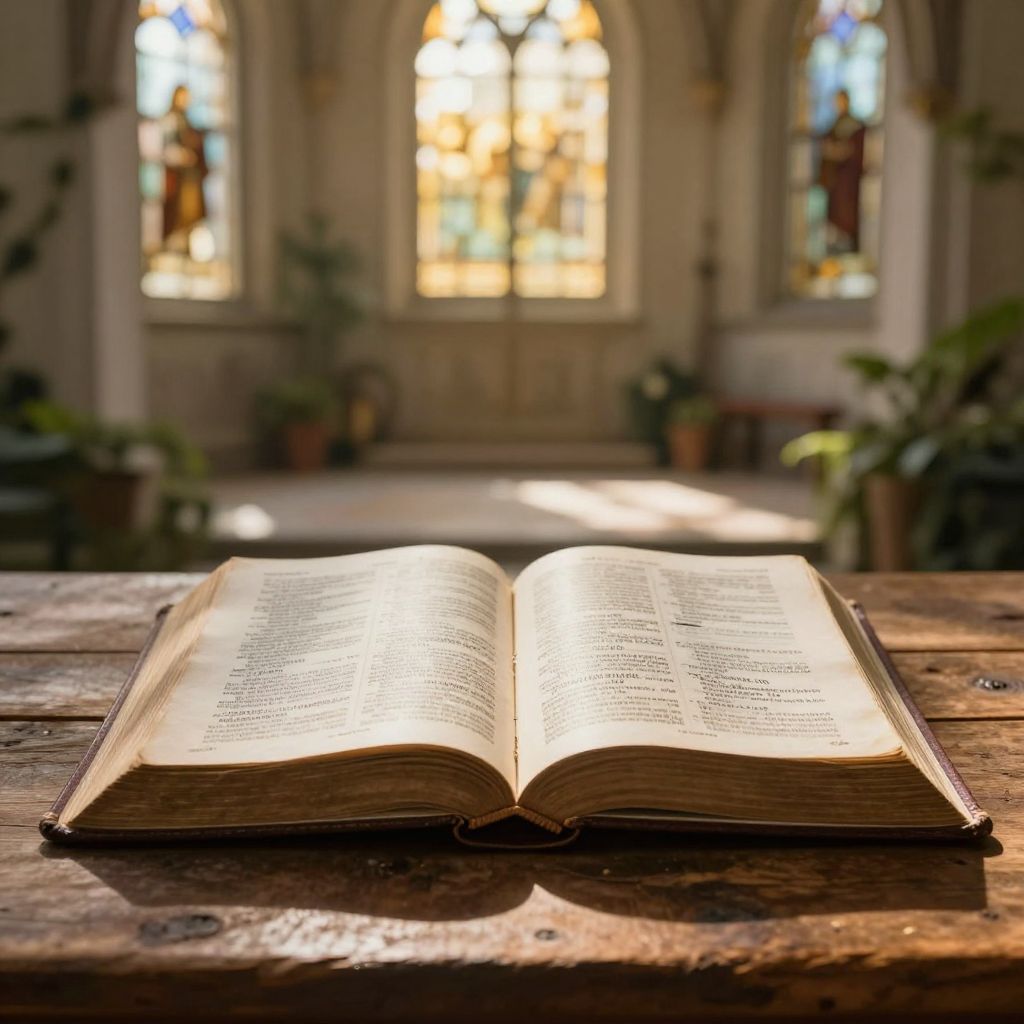
You hold a Bible in your hands, but opening to Genesis feels overwhelming and jumping to Revelation seems premature. Many new believers face this exact moment, wondering where God wants them to begin their journey through His Word.
The Bible becomes accessible when you start with the right books and maintain realistic expectations. God meets you wherever you begin, but some starting points serve new readers better than others.
Where Should You Start Reading the Bible?
Begin with the Gospel of John, then read Romans, Psalms, and Proverbs before tackling the Old Testament chronologically. This approach introduces you to Jesus, core Christian doctrine, and practical wisdom before diving into the broader biblical narrative.
Why John’s Gospel Opens Doors
John writes his Gospel specifically so “you may believe that Jesus is the Messiah, the Son of God, and that by believing you may have life in his name” (John 20:31). This clear evangelistic purpose makes it perfect for beginners.
John uses simple language while revealing profound truths about Christ’s identity. You will encounter Jesus as both fully God and fully man, setting the foundation for everything else Scripture teaches.
Romans Builds Your Theological Foundation
After meeting Jesus in John, Romans explains how salvation actually works. Paul systematically presents the gospel: human sinfulness, God’s righteousness, justification by faith, and sanctification.
Romans answers the “how” questions that John’s Gospel raises. You learn why you needed a Savior and how Christ’s work applies to your daily life.
Psalms and Proverbs Teach You to Pray and Live
Psalms shows you how to talk to God honestly about everything – joy, fear, anger, and praise. David and other psalmists model raw, authentic prayer that many Christians never knew was acceptable.
Proverbs gives you practical wisdom for relationships, work, money, and character development. These books bridge the gap between doctrine and daily living.
What About the Old Testament?
Start with the Historical Books
Once you have grounded yourself in the New Testament, begin the Old Testament with Genesis through 2 Kings. This gives you the overarching story of God’s relationship with humanity and Israel.
Skip the genealogies and detailed ritual instructions initially – you can return to those later. Focus on the narrative flow and God’s character as He reveals Himself through history.
Save the Prophets for Later
Isaiah, Jeremiah, and the minor prophets make much more sense after you understand Israel’s history. Context transforms confusing prophecy into clear communication from God.
The prophets constantly reference events and covenants established in the historical books. Read the story first, then hear the prophets’ commentary on that story.
How Much Should You Read Daily?
Quality Over Quantity Always Wins
One chapter thoroughly understood serves you better than five chapters skimmed quickly. God speaks through meditation on His Word, not speed reading through it.
Aim for 15-20 minutes of focused reading rather than checking boxes on a reading plan. Let the Holy Spirit highlight verses that need deeper reflection.
Consistency Matters More Than Perfect Days
Missing a day does not derail your spiritual growth, but missing weeks certainly does. Build a sustainable rhythm rather than an exhausting sprint.
What questions arise as you read? Write them down and seek answers through study resources, trusted teachers, or prayer.
Essential Tools for Bible Study
Choose a Readable Translation
The NIV, ESV, or NLT provide accurate translations in contemporary English. Understanding God’s message matters more than wrestling with archaic language.
Avoid paraphrases like The Message for serious study, though they can provide fresh perspective on familiar passages. Stick with actual translations for your primary reading.
Keep a Journal Nearby
Write down verses that strike you, questions that arise, and ways you see God working in the text. Writing forces deeper engagement with Scripture than passive reading allows.
Record prayers sparked by your reading and note how God answers them over time. This builds your faith as you see His faithfulness documented in your own handwriting.
What to Do When Reading Gets Difficult
Embrace the Confusion
Every mature Christian has wrestled with difficult passages and apparent contradictions. Confusion often signals that God wants to expand your understanding of His ways.
The Bible challenges comfortable assumptions about God, morality, and life itself. Let it stretch your thinking rather than abandoning difficult sections.
Seek Help Without Shame
Study Bibles, commentaries, and trustworthy teachers exist to help you understand Scripture better. God uses other believers to illuminate His Word for you.
Join a Bible study group where you can ask questions and learn from others’ insights. Iron sharpens iron when believers study Scripture together.
Reading Plans vs. Natural Curiosity
Structured Plans Provide Direction
Reading plans keep you moving through Scripture systematically rather than camping in comfortable passages forever. They expose you to the full counsel of God.
A simple plan reading through one Gospel, one Old Testament book, Psalms, and Proverbs simultaneously works well for beginners. This provides variety and maintains interest.
Follow Your Spirit-Led Interests
Sometimes God draws you to specific books or passages for reasons you do not immediately understand. Trust these promptings while maintaining overall balance in your reading.
Life circumstances often make certain biblical books particularly relevant. Read Ecclesiastes during seasons of questioning, or James when you need practical wisdom.
Building a Lifetime of Bible Reading
Your first journey through Scripture will not be your last, and that reality should encourage rather than overwhelm you. God reveals new truths through familiar passages as you mature in faith.
Start with John’s Gospel tomorrow morning and read until something strikes you as particularly meaningful. Stop there, pray about what you have read, and thank God for speaking to you through His Word. This simple beginning opens the door to a lifetime of spiritual growth through Scripture.
Ready to deepen your understanding of biblical truths and explore more faith-based insights? Discover additional resources and articles that can strengthen your spiritual journey at The Bible Christian, where you can also learn about fascinating topics like what manna represents in Scripture and its spiritual significance for believers today.