
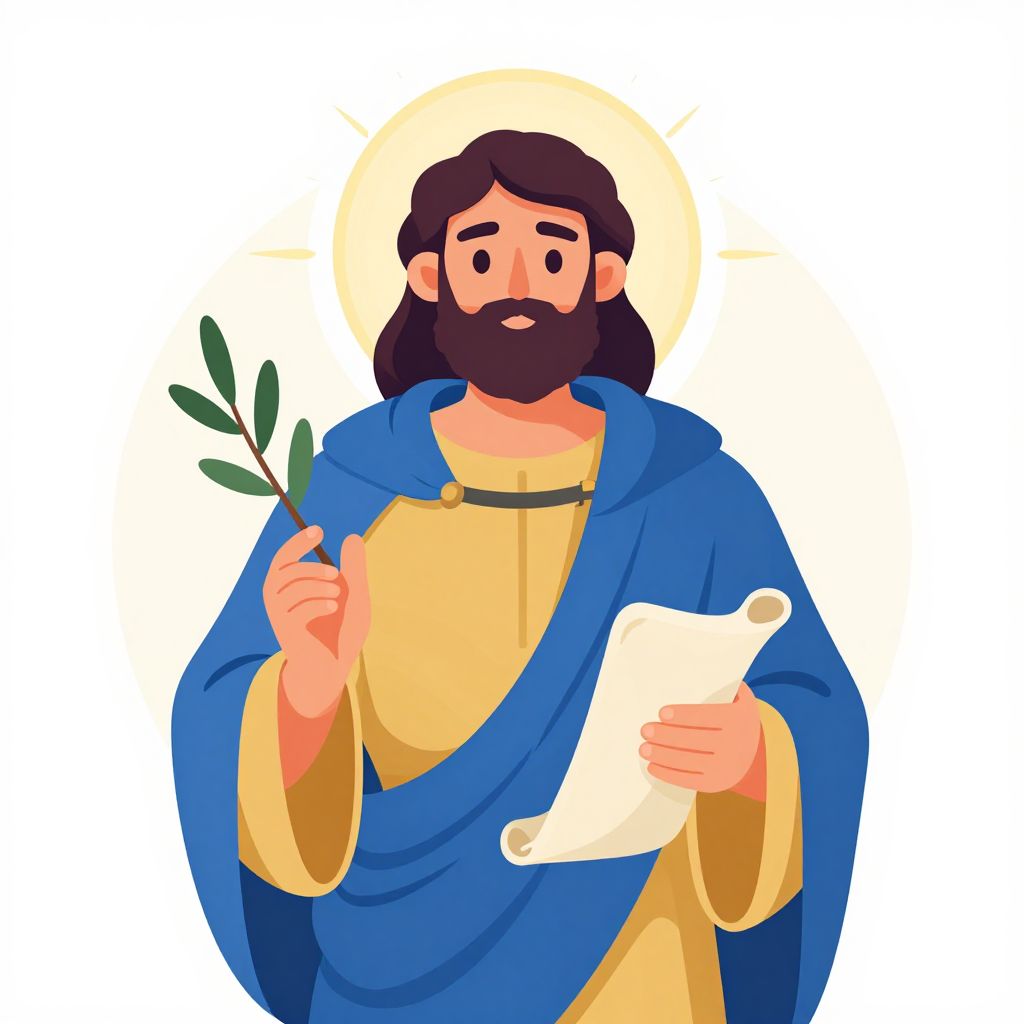
When most Christians think about the early church, names like Paul and Peter come to mind immediately. But tucked within the pages of Acts and scattered throughout Paul’s letters, we find a man whose character and ministry shaped the early church in profound ways.
Barnabas stands as one of Scripture’s clearest examples of encouragement in action — a man who saw potential where others saw problems and who chose grace when others chose suspicion. His story teaches us what it looks like to live with open hands and an open heart toward God’s work in the world.
Who Is Barnabas in the Bible?
Barnabas was a Levite from Cyprus whose real name was Joseph, but the apostles called him Barnabas, meaning “son of encouragement” (Acts 4:36). He served as a bridge-builder, mentor, and missionary in the early church, playing crucial roles in accepting Paul’s conversion and launching the first Gentile mission.
The Name That Defined His Ministry
Names carried weight in biblical times, and the apostles didn’t give Barnabas his nickname lightly. When they called Joseph “Barnabas,” they recognized something essential about his character that would define his entire ministry.
The Greek word “parakletos” — from which we get Barnabas — means one who comes alongside to help, comfort, and encourage. This wasn’t just a pleasant personality trait; this was Barnabas living out the very nature of the Holy Spirit, who Jesus called our Paraclete in John 14:16.
His Background and Heritage
Barnabas came from Cyprus, making him a Hellenistic Jew who understood both Jewish traditions and Greek culture. As a Levite, he belonged to the tribe set apart for temple service, which meant he grew up steeped in Scripture and worship.
This background prepared him perfectly for the work God had planned. He could speak to both Jews and Gentiles, and his priestly heritage gave him credibility among Jewish believers who might otherwise resist change.
Barnabas’s First Act of Faith
We meet Barnabas in Acts 4:36-37, where Luke records his first significant act. Barnabas sold a field he owned and brought the money to the apostles’ feet, demonstrating the radical generosity that marked the early church.
This wasn’t just charity — this was a declaration. Barnabas chose to invest his earthly wealth in eternal purposes, showing that his heart belonged fully to God’s kingdom rather than his own comfort.
What This Reveals About His Character
Notice that Luke mentions Barnabas right before the account of Ananias and Sapphira in Acts 5. The contrast is deliberate — where Barnabas gave genuinely and completely, Ananias and Sapphira gave with deception and partial hearts.
Barnabas didn’t sell his field for recognition or praise. He did it because he saw needs in the church and responded with his whole heart, setting the standard for what Spirit-led generosity looks like.
Standing Up for Saul When Others Wouldn’t
Perhaps Barnabas’s most crucial moment came when Saul (later Paul) arrived in Jerusalem after his conversion. Acts 9:26-27 tells us that the disciples were afraid of Saul, but Barnabas took him and brought him to the apostles.
Think about what this required. Everyone knew Saul’s reputation as a persecutor of Christians, and his sudden conversion story sounded too convenient to believe.
The Risk of Believing the Best
Barnabas didn’t just introduce Paul to the apostles — he vouched for him. He put his own reputation on the line to defend a man others viewed with suspicion.
This decision changed the course of Christian history. Without Barnabas’s willingness to see God’s work in an unlikely candidate, Paul might never have gained acceptance among the apostles.
A Pattern of Grace
What moved Barnabas to take this risk? He had learned to look for God’s hand in unexpected places and to believe that grace could transform anyone.
This pattern would repeat throughout his ministry — seeing potential where others saw problems, offering second chances when others offered suspicion. Are there people in your life whom God might be calling you to encourage rather than avoid?
The First Missionary Partnership
When the church in Antioch began reaching Gentiles, the Jerusalem church sent Barnabas to investigate. Acts 11:22-24 describes how Barnabas saw the evidence of God’s grace and was glad, encouraging them all to remain true to the Lord with all their hearts.
But Barnabas recognized that this growing work needed additional leadership. So he went to Tarsus to find Saul and brought him to Antioch, where they ministered together for a full year.
Recognizing When to Share Leadership
Many leaders would have tried to handle the Antioch situation alone, but Barnabas understood that God’s work was bigger than any one person. He actively sought out Paul because he knew Paul’s gifts were exactly what the situation required.
This humility and wisdom set the stage for the first missionary journey. Barnabas didn’t need to be the star — he wanted God’s work to flourish.
The First Missionary Journey
Acts 13:1-3 records how the Holy Spirit set apart Barnabas and Saul for missionary work. Notice that Barnabas is mentioned first initially, indicating his senior position in this partnership.
They traveled through Cyprus (Barnabas’s homeland) and into modern-day Turkey, preaching in synagogues and watching God establish new churches among both Jews and Gentiles. Luke’s account shows two men working together, each contributing their unique gifts to the mission.
The Test of True Character
The most revealing moment in Barnabas’s story comes in Acts 15:36-41, when he and Paul disagreed about taking John Mark on their second missionary journey. John Mark had deserted them during their first trip, and Paul didn’t want to risk it again.
But Barnabas wanted to give John Mark a second chance. The disagreement was so sharp that they parted ways — Paul took Silas, and Barnabas took John Mark to Cyprus.
When Encouragement Means Taking a Stand
Some might view this split as a failure, but it reveals the depth of Barnabas’s character. He was willing to sacrifice a ministry partnership with Paul — the most dynamic missionary of the early church — to invest in a young man who had failed.
This wasn’t just kindness; this was prophetic insight. Barnabas saw something in John Mark that others missed, and he was willing to stake his ministry on it.
The Vindication of Grace
History proved Barnabas right. John Mark eventually wrote the Gospel of Mark and became valuable to Paul’s ministry.
In 2 Timothy 4:11, Paul himself writes, “Get Mark and bring him with you, because he is helpful to me in my ministry.” The young man Barnabas refused to abandon became one of the most important figures in the early church.
The Lasting Legacy of Barnabas
Barnabas teaches us that encouragement is not just a personality trait — it’s a spiritual discipline that changes lives and shapes history. His willingness to invest in people others had written off created ripple effects that are still felt today.
Without Barnabas, we might not have Paul’s letters. Without Barnabas, we might not have the Gospel of Mark.
What Barnabas Shows Us About God
Barnabas reflects God’s own heart toward us — patient, hopeful, and committed to our growth even when we fail. He demonstrates what it looks like to be God’s hands and feet in a broken world.
God doesn’t give up on people, and He calls us to share that same commitment to others. How might God be calling you to be a Barnabas in someone’s life?
Practical Ways to Follow Barnabas’s Example
Living like Barnabas means making specific choices in how we treat others:
- Look for potential instead of problems — Ask God to help you see people through His eyes
- Speak up for those others doubt — Use your voice to defend and encourage the vulnerable
- Invest in people who have failed — Give second chances and walk alongside those who are rebuilding
- Share opportunities rather than hoarding them — Bring others into leadership and ministry
- Give generously of your resources and time — Let your material generosity reflect your spiritual priorities
The Heart Behind the Encouragement
Barnabas’s ministry of encouragement flowed from his deep trust in God’s transforming power. He didn’t encourage people because he was naturally optimistic — he encouraged them because he believed God could work through anyone willing to be used.
This faith-based encouragement is different from mere positive thinking. It’s grounded in the reality of God’s character and His commitment to complete the work He begins in people’s lives.
The church needs more people like Barnabas today — believers who will risk their own comfort to invest in others, who will see potential where others see problems, and who will stand up for people others have written off. God used Barnabas to shape the early church not because he was perfect, but because he was faithful to encourage others in their walk with God.
Who in your life needs a Barnabas today? Ask God to show you opportunities to encourage, defend, and invest in others the way Barnabas invested in Paul and John Mark. The ripple effects of such faithfulness may extend far beyond what you can imagine.
If you’ve found these biblical insights meaningful, we invite you to explore more enriching content about what the Bible says on various topics. You can discover additional faith-strengthening articles and biblical studies at our main site to deepen your understanding of Scripture and Christian living.