
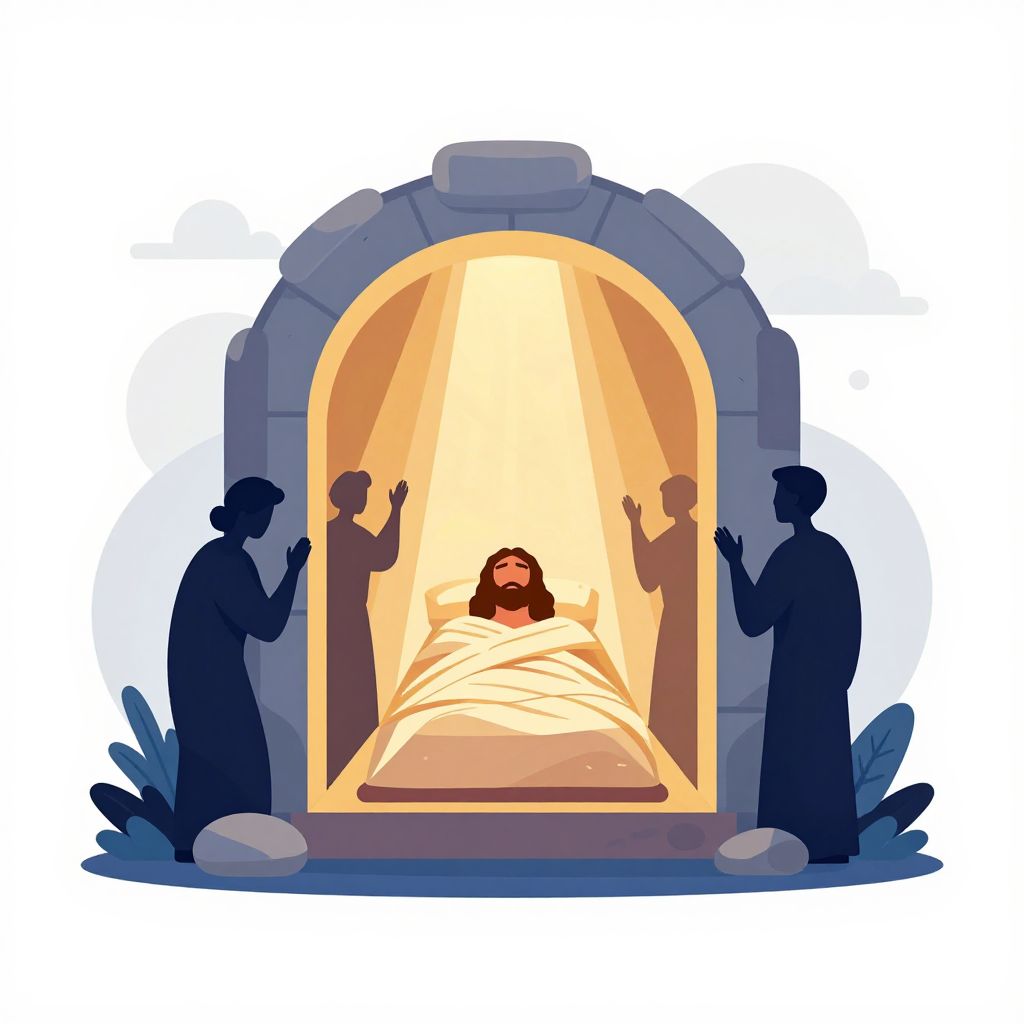
When someone you love dies, the finality feels crushing. The Bible introduces us to a man named Lazarus whose story shatters our understanding of death’s power and reveals the heart of Jesus in ways that comfort and challenge us.
Lazarus appears in Scripture as both a real person Jesus raised from the dead and a character in a parable about eternal judgment. His accounts teach us profound truths about God’s timing, His power over death, and His heart for both the living and the dead.
Who Is Lazarus in the Bible?
Lazarus refers to two figures in Scripture: the brother of Mary and Martha whom Jesus raised from the dead, and the poor man in Jesus’ parable about the rich man and Lazarus. Both accounts reveal crucial truths about life, death, and God’s character.
Lazarus of Bethany: The Man Jesus Raised
The Gospel of John introduces us to Lazarus of Bethany, brother to Mary and Martha. John 11:3 tells us the sisters sent word to Jesus saying, “Lord, the one you love is sick.”
This simple message reveals the intimate friendship between Jesus and this family. They didn’t need to explain who was sick or beg Jesus to come – they simply stated the need and trusted His love.
When Jesus received the message, He made a statement that puzzles many believers: “This sickness will not end in death. No, it is for God’s glory so that God’s Son may be glorified through it” (John 11:4). Yet Lazarus did die, which shows us that God’s perspective on death differs radically from ours.
The Lazarus of Jesus’ Parable
Luke 16:19-31 records Jesus’ account of a poor man named Lazarus who sat at a rich man’s gate, covered with sores. This parable reveals the eternal consequences of how we treat others and respond to God’s word.
In the story, Lazarus dies and goes to Abraham’s side, while the rich man who ignored him suffers in Hades. The rich man begs Abraham to send Lazarus back from the dead to warn his brothers, but Abraham replies that if they won’t listen to Moses and the Prophets, they won’t be convinced even if someone rises from the dead.
What Lazarus’ Death and Resurrection Teach Us
God’s Timing Isn’t Always Our Timing
When Jesus heard Lazarus was sick, He stayed where He was for two more days (John 11:6). This delay wasn’t indifference – it was intentional.
By the time Jesus arrived in Bethany, Lazarus had been in the tomb four days. Jewish belief held that the soul hovered near the body for three days, so after four days, death was considered absolutely final.
Have you ever wondered why God seems to wait until situations feel hopeless? Jesus chose to work when human hope was exhausted so that only divine power could receive the credit.
Jesus Grieves With Us
John 11:35 gives us the shortest verse in the Bible: “Jesus wept.” Even knowing He would raise Lazarus, Jesus grieved alongside Mary and Martha.
This moment reveals that Jesus doesn’t minimize our pain or rush us through grief. He enters into our sorrow and feels the weight of death’s temporary victory over those He loves.
Faith Can Coexist With Questions
Both Mary and Martha greeted Jesus with nearly identical words: “Lord, if you had been here, my brother would not have died” (John 11:21, 32). Their words carried both faith and frustration.
They believed in Jesus’ power to heal, yet they questioned His timing. God can handle our honest questions and doesn’t condemn us for wrestling with disappointment while still trusting Him.
The Miracle That Changed Everything
Jesus Claims Authority Over Death
Before raising Lazarus, Jesus made a stunning declaration to Martha: “I am the resurrection and the life. The one who believes in me will live, even though they die” (John 11:25).
Jesus didn’t just claim to give resurrection – He claimed to BE the resurrection. This statement would have sounded like blasphemy to anyone who didn’t understand His divine nature.
The Power of Jesus’ Voice
At the tomb, Jesus prayed aloud, then “called in a loud voice, ‘Lazarus, come out!'” (John 11:43). Some commentators joke that Jesus had to name Lazarus specifically, or every dead person in the area would have responded.
The same voice that spoke creation into existence commanded death to release its grip. Lazarus came out, wrapped in burial cloths, alive and breathing.
Jesus’ final command was practical: “Take off the grave clothes and let him go” (John 11:44). New life requires shedding the trappings of death – a truth that applies both physically and spiritually.
How Both Lazarus Accounts Connect
They Reveal God’s Heart for Justice
The poor Lazarus in Jesus’ parable suffered neglect in life but received comfort in eternity. The rich man who ignored him faced eternal consequences for his hardened heart.
Both accounts show that God sees the forgotten and oppressed. He remembers every act of kindness and every moment of indifference.
They Point to Eternal Realities
Lazarus of Bethany experienced resurrection but would die again someday. His resurrection was a sign pointing to the greater reality of eternal life through faith in Jesus.
The parable’s Lazarus shows us that death isn’t the end – it’s a doorway to eternal existence, either in God’s presence or separated from Him. Both accounts force us to consider what lies beyond this life.
What Lazarus Means for Believers Today
Death Has Lost Its Ultimate Power
For Christians, Lazarus’ resurrection serves as a preview of our own future. 1 Corinthians 15:54-55 declares that death has been “swallowed up in victory” through Christ.
We still grieve when loved ones die because separation hurts, but we don’t grieve as those who have no hope. Death is real, but it’s not final for those who belong to Jesus.
God Can Work Through Our Worst Days
The darkest moment for Mary, Martha, and Lazarus became the stage for one of Jesus’ greatest miracles. God specializes in bringing life from death and hope from despair.
When circumstances feel impossible, remember that God’s power isn’t limited by human understanding. He can resurrect dreams, relationships, and purposes you thought were buried forever.
Our Response to God’s Word Matters
The parable of Lazarus and the rich man warns us that our eternal destiny depends on how we respond to God’s revelation. The rich man’s brothers had Moses and the Prophets – we have the complete Bible and the testimony of Jesus’ own resurrection.
Are you listening to what God has already revealed, or are you waiting for more dramatic signs? Faith comes through hearing God’s word, not through demanding additional miracles.
Living in Light of Lazarus’ Story
Trust God’s Timing
When God seems absent or slow to act, remember that His delays aren’t denials. He sees the bigger picture and works all things together for good for those who love Him (Romans 8:28).
Sometimes God waits so that when He does act, His glory shines brighter and our faith grows deeper. Trust that His timing is always perfect, even when it doesn’t feel comfortable.
Care for the Forgotten
The parable challenges us to see and serve those whom society overlooks. God notices how we treat the poor, the sick, and the marginalized.
Every act of compassion matters to God, and every moment of indifference will be remembered. Look for the “Lazarus” at your gate – the person God has placed in your path who needs your attention and care.
Live With Eternity in View
Both Lazarus accounts remind us that this life is temporary but its choices have eternal consequences. How you live today affects where you’ll spend eternity.
Don’t get so caught up in temporary concerns that you lose sight of eternal realities. Make decisions based on God’s kingdom priorities, not just earthly success or comfort.
The story of Lazarus confronts our greatest fears while pointing us to our greatest hope. Death feels final, but Jesus holds the keys to death and Hades (Revelation 1:18). Whether you’re facing loss, struggling with delayed answers to prayer, or questioning what comes after death, remember that Jesus is the resurrection and the life. Trust Him with your questions, your grief, and your future – He has already proven His power over the grave.
Continue exploring the depth of biblical truth through other foundational topics that strengthen faith and provide guidance for Christian living in today’s world.