
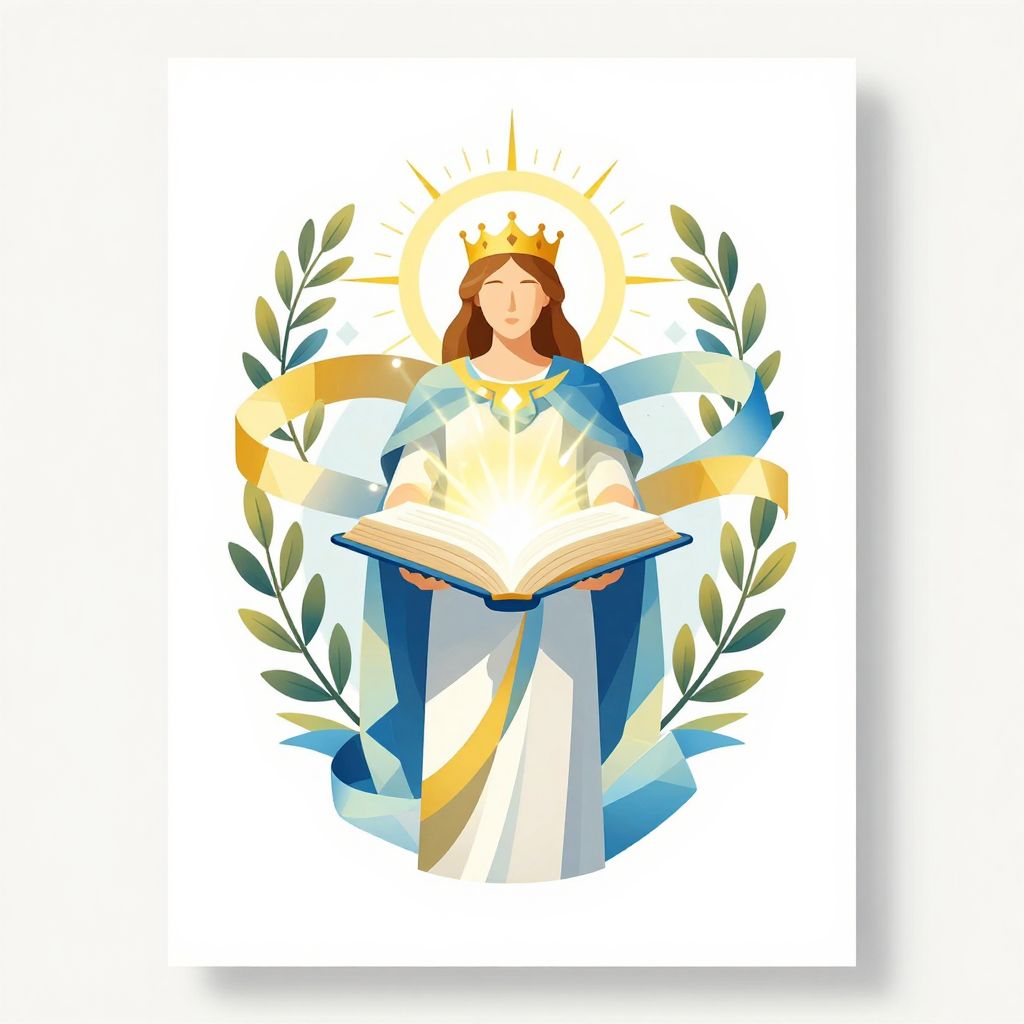
The name Sophia appears throughout Scripture, yet many Christians remain unclear about her identity and significance. This figure represents far more than most believers realize.
When we examine biblical texts carefully, Sophia emerges as a profound representation of God’s wisdom personified. Her presence shapes our understanding of divine truth and practical Christian living.
Who Is Sophia in the Bible?
Sophia is the personification of divine wisdom in biblical literature, particularly prominent in the Old Testament wisdom books. She represents God’s eternal wisdom as a distinct figure who participated in creation and continues to guide believers toward righteous living.
The Hebrew and Greek Origins
The Hebrew word “chokmah” and Greek word “sophia” both translate to wisdom in English. These terms appear hundreds of times throughout Scripture, but certain passages present wisdom as a living, active person rather than merely an abstract concept.
In Proverbs 8:22-31, wisdom speaks in the first person, declaring her role in creation alongside God. This personification creates a bridge between divine attribute and divine person, showing how God’s wisdom operates in the world.
Sophia’s Biblical Appearances
Sophia appears most prominently in the wisdom literature of the Old Testament. Books like Proverbs, Ecclesiastes, and the deuterocanonical Wisdom of Solomon feature her extensively.
She also surfaces in the New Testament, where Christ himself becomes the embodiment of God’s wisdom. First Corinthians 1:24 identifies Jesus as “the power of God and the wisdom of God.”
Sophia in the Old Testament
Proverbs: Wisdom’s Call
Proverbs 1:20-33 presents Sophia crying out in the streets, pleading with people to abandon foolishness and embrace wisdom. She stands at crossroads and city gates, making her appeal to all who will listen.
This passage reveals Sophia’s passionate concern for human souls. She doesn’t remain distant or aloof but actively pursues those who need guidance and truth.
The Creation Account in Proverbs 8
Proverbs 8:22-31 offers the most detailed portrait of Sophia in Scripture. Here, wisdom describes her presence at creation, working alongside God as his craftsman and delighting in humanity.
This passage raises important questions about Sophia’s nature. Was she created by God, or does she represent an eternal aspect of God’s character?
The Hebrew word “qanah” in verse 22 can mean either “created” or “possessed,” leading to different interpretations. Some see Sophia as God’s first creation, while others view her as God’s eternal wisdom personified.
Wisdom Literature’s Portrait
Throughout Proverbs, Sophia appears as a teacher, guide, and protector. Proverbs 4:6-9 encourages readers to love wisdom, promising she will protect and honor those who embrace her.
She offers practical guidance for daily living while pointing toward deeper spiritual truths. This dual nature makes Sophia both accessible and profound.
Sophia in the New Testament
Christ as Wisdom Incarnate
The New Testament presents Jesus as the fulfillment of Old Testament wisdom themes. Colossians 2:3 declares that in Christ “are hidden all the treasures of wisdom and knowledge.”
This connection transforms our understanding of Sophia from the Old Testament. Rather than remaining a personification, wisdom becomes incarnate in Jesus Christ.
The Wisdom of God Revealed
First Corinthians 2:7-8 speaks of God’s secret wisdom that worldly rulers failed to understand. This wisdom led to Christ’s crucifixion, which became the means of salvation.
Paul contrasts human wisdom with divine wisdom throughout his letters. God’s wisdom often appears foolish to human understanding, yet it accomplishes what human wisdom cannot.
Practical Applications for Believers
James 1:5 promises that God gives wisdom generously to those who ask. This connects directly to the Old Testament portrayal of Sophia as available and eager to help.
Believers can pursue wisdom through prayer, Scripture study, and humble submission to God’s guidance. The same wisdom that called out in Proverbs continues to call today.
Different Christian Perspectives on Sophia
Orthodox and Catholic Views
Eastern Orthodox theology often emphasizes Sophia as representing the divine energies of God. Some Orthodox thinkers see her as the ideal of creation or the blueprint according to which God made the world.
Catholic interpretation generally views Sophia as a personification of God’s attribute rather than a distinct person. The focus remains on wisdom as God’s gift to humanity through Christ.
Protestant Understanding
Most Protestant scholars interpret Sophia as a literary personification of God’s wisdom. They emphasize that wisdom belongs to God and flows from his character rather than existing as a separate entity.
This view maintains the unity of God while appreciating the rich imagery of wisdom literature. Sophia becomes a powerful way to understand how God relates to his creation.
Contemporary Debates
Some modern scholars propose that Sophia represents the feminine aspect of God. This interpretation seeks to balance masculine imagery in Scripture with feminine wisdom imagery.
Others maintain that attributing gender to God’s attributes creates theological problems. They prefer to see Sophia as transcending gender categories while using feminine imagery for literary effect.
What Sophia Teaches Us About God
God’s Active Involvement in Creation
Sophia’s presence at creation demonstrates that God’s wisdom actively shaped the world. Psalm 104:24 declares, “In wisdom you made them all,” showing wisdom as God’s creative principle.
This means creation reflects God’s character and purposes. The natural world displays divine wisdom for those who have eyes to see.
God’s Desire for Relationship
Sophia’s appeals in Proverbs reveal God’s heart for relationship with humanity. Wisdom doesn’t force herself on anyone but calls, invites, and pleads.
This portrayal shows God as patient and persistent in drawing people to himself. He provides wisdom generously but respects human freedom to choose foolishness instead.
The Value God Places on Wisdom
Proverbs 8:11 declares that wisdom is more precious than rubies and nothing we desire compares with her. This establishes wisdom’s supreme value in God’s economy.
God prioritizes wisdom over wealth, power, or pleasure. Believers who align their values with God’s will pursue wisdom above all earthly treasures.
Practical Applications for Christian Living
Seeking Wisdom Daily
Sophia’s example encourages believers to actively pursue divine wisdom. This pursuit requires humility, prayer, and careful attention to God’s word.
Daily Bible reading, prayer for understanding, and fellowship with wise believers create pathways for receiving God’s wisdom. The pursuit becomes a lifestyle rather than occasional activity.
Recognizing Wisdom’s Voice
Just as Sophia called out in ancient marketplaces, God’s wisdom calls to us today. Learning to recognize wisdom’s voice helps believers make better decisions.
Wisdom often contradicts popular culture and personal desires. Developing sensitivity to God’s voice requires practice and spiritual maturity.
Sharing Wisdom with Others
Believers who receive God’s wisdom become channels for sharing it with others. Proverbs 27:17 reminds us that “iron sharpens iron” as we interact with fellow believers.
This sharing happens through teaching, mentoring, and godly example. Wisdom multiplies when believers invest in others’ spiritual growth.
Understanding Sophia enriches our appreciation for God’s wisdom and its central role in Scripture. She represents God’s passionate pursuit of relationship with humanity and his desire to guide us into truth. Whether viewed as personification or deeper reality, Sophia points us toward the wisdom found ultimately in Jesus Christ. Take time today to ask God for wisdom in your specific circumstances, knowing he gives generously to all who seek him. Explore more about what the Bible says on important topics, or discover the significance of manna in the Bible to deepen your understanding of God’s provision throughout Scripture.