
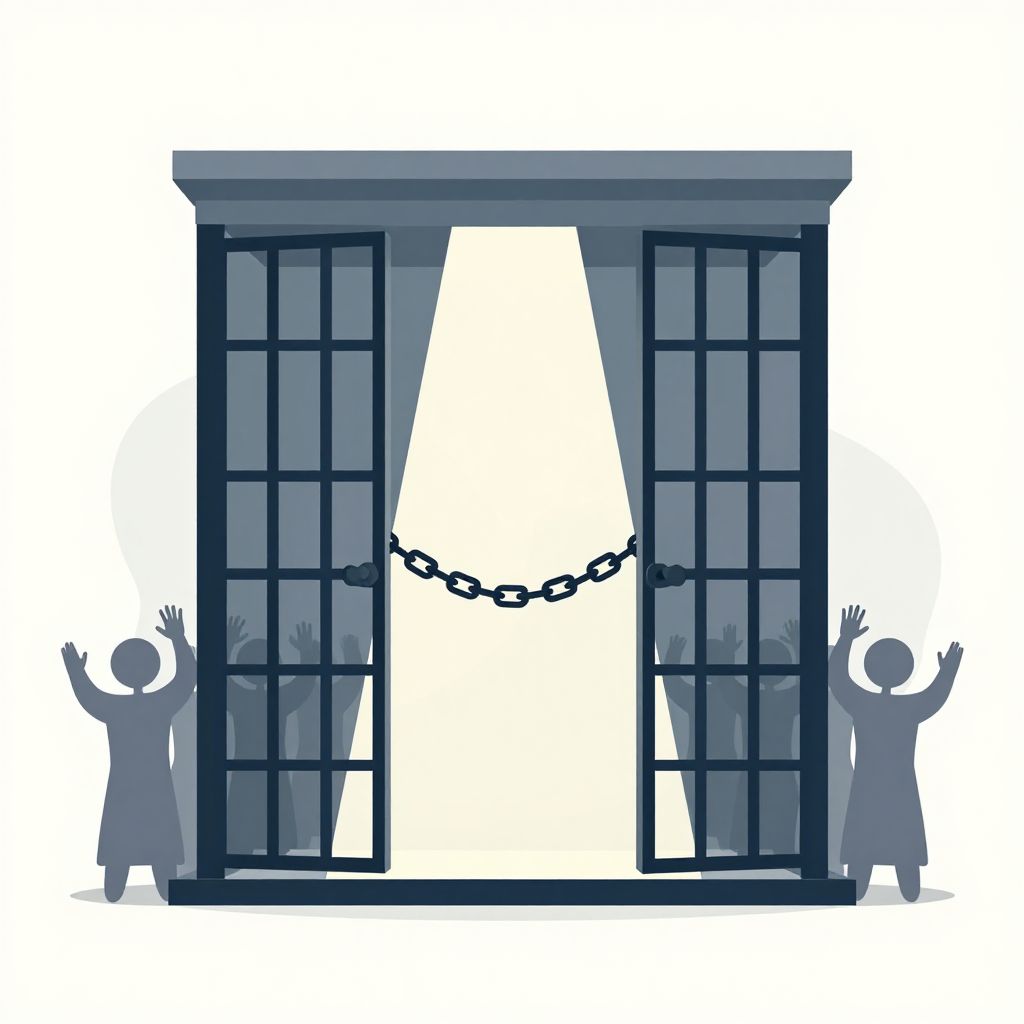
Most Christians know Barabbas as the criminal who walked free while Jesus went to the cross, but few grasp the profound spiritual picture his story paints. This exchange reveals something stunning about God’s character and the nature of salvation itself.
Barabbas stands as one of Scripture’s most unlikely symbols of grace. His brief appearance in the crucifixion account holds layers of meaning that speak directly to every believer’s story.
Who Was Barabbas in the Bible?
Barabbas was a notorious prisoner and insurrectionist who was released instead of Jesus during Pontius Pilate’s Passover custom of freeing one condemned man. The Gospels describe him as a robber, murderer, and rebel who had participated in an uprising against Roman authority.
The Biblical Account
All four Gospels mention Barabbas, though each provides different details about his crimes and character. Matthew calls him “a notorious prisoner” (Matthew 27:16), while Mark describes him as one who “had committed murder in the insurrection” (Mark 15:7).
Luke adds that Barabbas was “a man who had been thrown into prison for an insurrection started in the city, and for murder” (Luke 23:19). John simply identifies him as “a robber” (John 18:40), using a Greek word that implies he was likely a violent bandit rather than a petty thief.
His Name and Background
The name “Barabbas” means “son of the father” in Aramaic. Some ancient manuscripts even suggest his full name was “Jesus Barabbas,” making the choice between him and Jesus of Nazareth even more striking.
Barabbas represented everything the Jewish people thought they wanted in a messiah. He was a fighter, a revolutionary who took up arms against Rome and refused to submit to foreign rule.
The Exchange That Changed Everything
Pilate’s decision to offer the crowd a choice between Jesus and Barabbas created one of history’s most profound moments. This wasn’t just a political maneuver—it became a picture of substitutionary atonement.
Pilate’s Custom
The Roman governor had established a tradition of releasing one Jewish prisoner during Passover as a gesture of goodwill. Matthew records that Pilate asked the crowd, “Which one do you want me to release to you: Jesus Barabbas, or Jesus who is called the Messiah?” (Matthew 27:17).
Pilate clearly expected the people to choose Jesus of Nazareth. He knew the religious leaders had handed Jesus over out of envy (Matthew 27:18) and saw no fault in him worthy of death.
The Crowd’s Choice
The crowd’s demand for Barabbas reveals the human heart’s natural preference for rebellion over submission. They chose the man who represented violence and uprising over the Prince of Peace who called them to love their enemies.
This choice wasn’t made in ignorance—many in that crowd had likely witnessed Jesus’ miracles and heard his teachings. Yet they still cried out, “Give us Barabbas!” (John 18:40).
What Barabbas Represents Spiritually
Barabbas serves as a powerful symbol of every sinner who deserves death but receives life through Jesus’ sacrifice. His story illustrates the heart of the gospel in ways that speak across centuries.
The Picture of Substitution
Barabbas experienced what theologians call substitutionary atonement in the most literal sense possible. He was guilty, condemned, and facing execution when an innocent man took his place.
Can you imagine Barabbas’ shock when the prison doors opened and guards told him he was free to go? He walked out of that cell knowing someone else would die the death he deserved.
Our Position Before God
Every believer stands in Barabbas’ position before God. Romans 3:23 declares that “all have sinned and fall short of the glory of God,” making us all prisoners under condemnation.
Like Barabbas, we face a death sentence we cannot escape through our own efforts. No amount of good works or religious activity can free us from the penalty our rebellion has earned.
The Irony of the People’s Choice
The crowd’s preference for Barabbas over Jesus reveals humanity’s fundamental misunderstanding of what we truly need. They wanted a deliverer who would fight their enemies, not transform their hearts.
Two Different Kings
Barabbas represented the kind of messiah most Jews expected—a military leader who would overthrow Rome through force. Jesus represented the messiah they actually needed—one who would conquer sin and death through sacrifice.
The people chose immediate political relief over eternal spiritual salvation. How often do we make similar choices, preferring temporary solutions to our problems over God’s deeper work in our lives?
The Path of Violence vs. Peace
Barabbas had chosen the sword as his weapon against injustice. Jesus chose the cross, demonstrating that God’s kingdom operates by completely different principles than earthly kingdoms.
Jesus told Pilate, “My kingdom is not of this world. If it were, my servants would fight” (John 18:36). The crowd’s choice of Barabbas showed they still didn’t understand this fundamental truth about God’s kingdom.
What Happened to Barabbas After His Release?
Scripture doesn’t tell us what became of Barabbas after his dramatic release from prison. Church tradition offers various theories, but the biblical record remains silent about his later life.
The Silence of Scripture
Some find it frustrating that the Bible doesn’t follow up on Barabbas’ story. Did he witness Jesus’ crucifixion knowing it should have been him on that cross? Did he later become a follower of the man who died in his place?
The silence actually serves God’s purposes perfectly. Barabbas represents every person who receives undeserved grace—his story is meant to be our story, not just his own.
Living as the Freed
Whether or not the historical Barabbas ever understood what happened that day, his experience challenges every believer. How should someone live who knows they deserved death but received life instead?
This question strikes at the heart of Christian living. Paul writes in 2 Corinthians 5:15 that Christ “died for all, that those who live should no longer live for themselves but for him who died for them and was raised again.”
Lessons from Barabbas for Today
Barabbas’ story teaches us crucial truths about grace, substitution, and the nature of salvation that remain relevant for modern believers. His experience illuminates aspects of the gospel we might otherwise miss.
Grace Is Completely Undeserved
Barabbas did nothing to earn his freedom—in fact, everything about his character suggested he deserved the opposite. God’s grace works the same way in our lives.
We don’t receive salvation because we’ve cleaned up our act or proven ourselves worthy. Ephesians 2:8-9 makes this clear: “For it is by grace you have been saved, through faith—and this is not from yourselves, it is the gift of God—not by works, so that no one can boast.”
Someone Always Pays the Price
Barabbas’ freedom came at a cost—Jesus paid the price he should have paid. This truth demolishes any notion that God simply overlooks sin or pretends it doesn’t matter.
Justice demanded payment for Barabbas’ crimes, just as it demands payment for ours. The cross demonstrates that God is both perfectly just and perfectly merciful—justice was satisfied through Jesus’ sacrifice.
We Choose Our Substitute
The crowd faced a choice between two very different saviors, just as every person must choose between trusting in their own efforts or accepting Christ’s finished work. There’s no middle ground.
What are you trusting in for salvation—your own goodness, your religious activities, your sincere efforts to be better? Or have you recognized that only Jesus can pay the debt you owe?
The Greater Exchange
Barabbas received Jesus’ innocence while Jesus took on Barabbas’ guilt. This exchange points to the cosmic transaction that occurs when anyone places faith in Christ.
2 Corinthians 5:21 explains this beautiful exchange: “God made him who had no sin to be sin for us, so that in him we might become the righteousness of God.” Every believer experiences what Barabbas experienced—freedom purchased by an innocent substitute.
The next time you read about Barabbas walking free while Jesus carried his cross, remember that you’re reading your own story. You’re the guilty prisoner who deserved condemnation but received life through Another’s death. How will you live in response to such incredible grace?
Understanding biblical figures like Judas alongside Barabbas helps us see the full picture of Jesus’ final days and the different ways people responded to him. The Scriptures contain countless examples of God’s character and grace revealed through human stories, and exploring what the Bible says about these encounters continues to strengthen and challenge believers today.